1. Understanding the concept of a nursing home
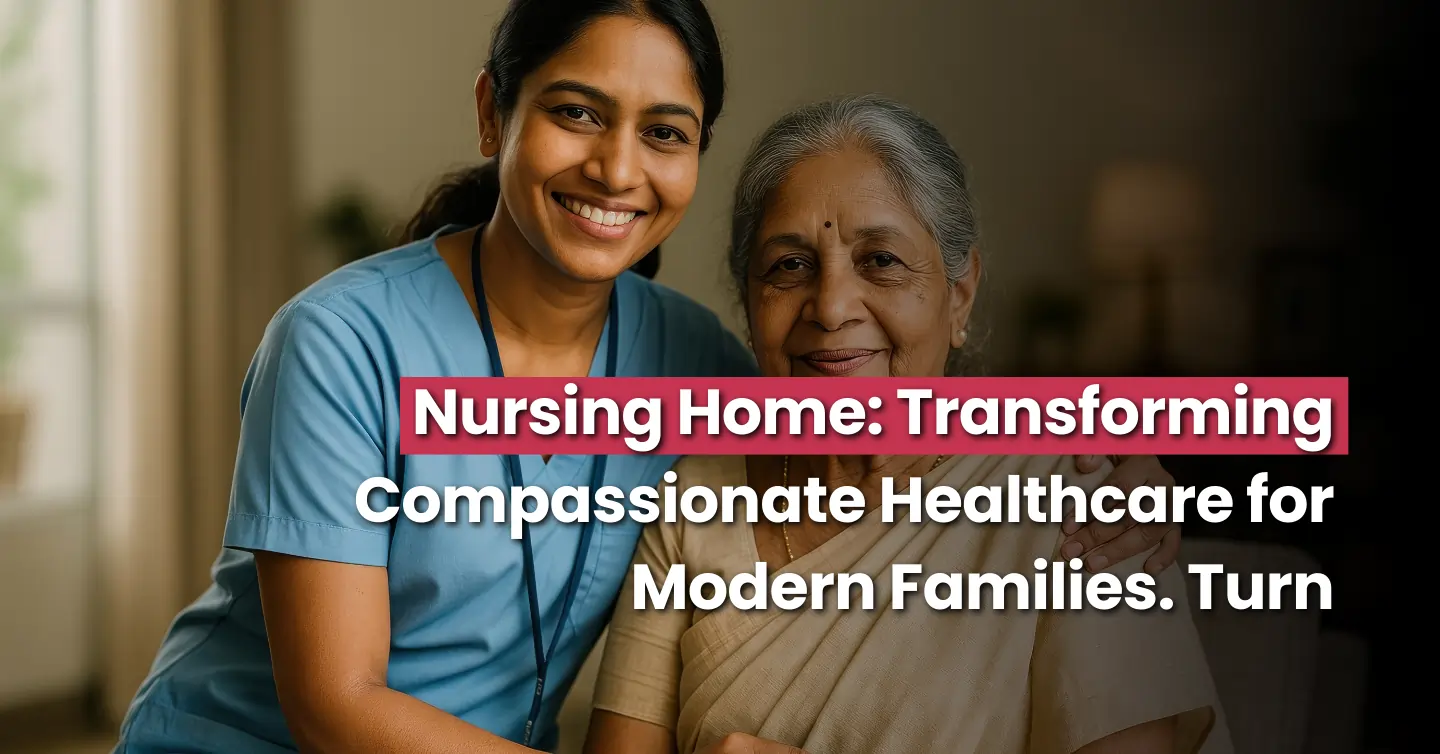
Nursing homes are places where people who require assistance with everyday living and with keeping an eye on their health are given both medical and personal care. They have nurses, carers, and all sorts of health experts working as a team to support the people who live there. Unlike more typical retirement villages, healthcare is the most important thing in a nursing home. Those living in them might be older people with long-term health issues, or people who are getting better after an operation, or those who need to continue their recovery after a time in hospital.
A nursing facility will always have medical attention available all day and night, manage medicines, and provide assistance with washing, getting dressed, and looking after themselves. They’ll also plan meals to make sure they’re healthy, offer support for getting better (rehabilitation), and provide things to do to be with other people. They are designed to be safe, so they have things in place to avoid falls, bathrooms easy to get to, and ways to deal with emergencies. The idea is to have good medical oversight, but for it to also feel like a home.
Book nursing care at home: Book Now
2. Key Services Offered by Nursing Care Facilities
Nursing homes provide lots of health and support, all adjusted for what each person specifically needs. Qualified nurses check things like blood pressure, give medication and work alongside doctors. Getting to health worries quickly lowers the chances of them getting worse. For those who have trouble moving or looking after themselves, personal help with daily routines is given in a way that respects their independence. Physical therapy, speech therapy, and occupational therapy can all be provided to help people get over an injury or an operation. Diabetes, heart conditions, lung complaints, and arthritis are all carefully tracked. Food is carefully planned to be balanced and to suit specific diets or health issues. And a programme of community events, social gatherings and pastimes is available to combat loneliness. All of this means residents get consistent, 24/7 care with someone overseeing things.
Emotional and Social Support
Community activities, group contacts, and recreational programs all serve to reduce loneliness.
These services ensure that residents receive structured, around-the-clock care in a supervised environment.
3. Who Needs a Nursing Home?
However, not every older person needs to live in a care home. But for some, a nursing home is a good idea. This would include older people with very serious difficulties with getting around, those with quite severe dementia or memory loss, or people who need to be checked by medical staff constantly.
Still, many families today look for alternatives, such as a home nursing service near me, to keep loved ones in familiar surroundings while receiving professional care. The decision is based on medical difficulty, emotional preferences, and family availability.
4. Nursing Care Home versus Home-Based Care
People increasingly want healthcare suited to them as individuals. Nursing homes are very structured, but getting care at home means being able to remain in your own place.
In a care home, care is the same for everyone and delivered by a lot of different people.
Many families opt for skilled nursing at home for a few reasons: you get care from a single person, people tend to get better more quickly when they are around things they know, they feel more emotionally secure, and they are less likely to catch something from other people. What a family chooses often comes down to how ill the person is, what they can afford, how much the family can do, and the person’s emotional well-being. Both options are about making life better, and deciding which is best needs a lot of thought.
Check Nursing care plans & pricing- https://medcab.in/home-care-servce/nurse-health-worker
5. The Value of Compassion and Dignity in Elder Care.
And caring for older people isn't just about medicine or medical help; it’s about letting them be dignified and feel good about themselves. As people age, they can easily feel weak, as if they need to be looked after, and emotionally upset. Both nursing homes and home care need to be kind. Being respectful means hearing what they want, helping them be as independent as possible, respecting their privacy, being clear in how you speak to them, and thinking of them as people, not just patients. Looking after someone’s body and their feelings are linked. Research shows that older people who feel important and are in touch with others get over illness faster and are more mentally balanced. Care staff need to concentrate on more than just health stats; they also need to make a personal connection. A friendly smile, being a good listener, and often telling someone they are doing okay can really make a difference in their care.
6. Selecting the Right Nursing Care Solution
Choosing a care environment demands careful thinking.
Families need to evaluate:
Good medical help is essential. Are there nurses available all the time, and how many residents does each one look after?
For safety, the facility should have emergency plans and cleaning rules.
And what about the place itself? Is it clean, with fresh air, and is it a comfortable place to be? Do the staff at the facility regularly let you know about someone’s health? They should have a plan for each person's specific care.
7. The Future of Nursing Care and Emerging Healthcare Trends
Healthcare is changing quickly. Improvements in technology and the way families live are both altering how we look after older people.
Home care is becoming more common. Now you can get hospital-level care at home with medical equipment you can move around, phone calls with doctors, and devices for keeping an eye on health from a distance. These days, healthcare is looking at stopping illness before it happens. Regular checks mean problems can be found sooner. Doctors and those giving care can talk to each other as easily as possible because of digital health information. Looking at the whole person is also a bigger part of care for older people, including what they eat, their emotional and mental health, and how they live. Families are asked to be more involved in care so that good relationships can be made.
Conclusion
Nursing homes offer a lot of medical help, a safe place, and support that is always there for people who need a lot of help all the time. Places like this are really important for those with serious or 24/7 requirements. But healthcare isn't limited to just this kind of place anymore. Before deciding, families need to think about how someone will feel emotionally, their medical needs, money, and what the person themselves wants. If you decide on a care home or care in their own home, the main aim is the same: to treat people with dignity, to keep them safe, and to look after their general health. Looking after older people isn't just about treating illnesses; it’s about kindness, showing someone you value them, and helping them to continue to have a good life. Families can create a positive setting where their family member feels secure, valued, and properly looked after each day by looking at the options and deciding what that person needs.
Get trusted care. at your doorstep—Call Now
or
visit our website—www.medcab.in