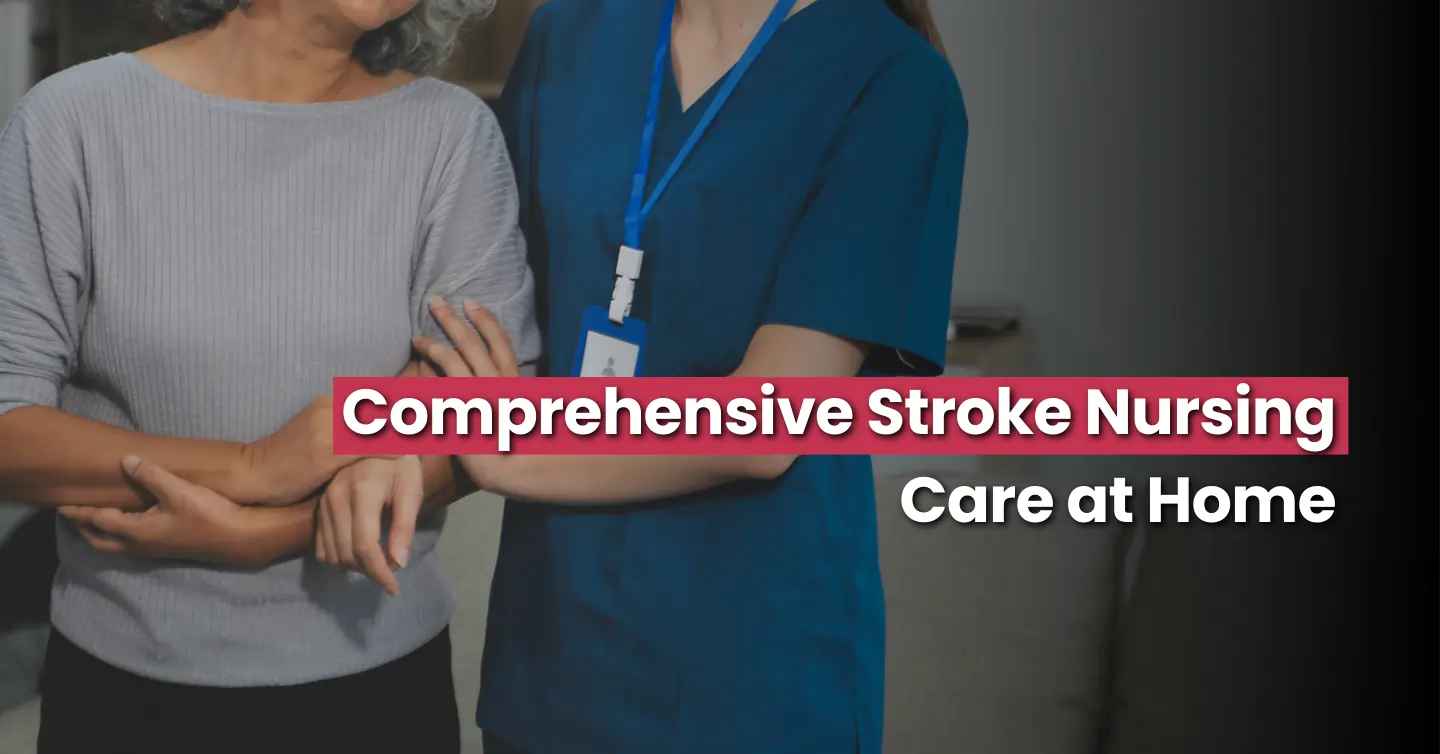
Understanding of Stroke patients' care at home and the Recovery Process
When a blood vessel in the brain is blocked or bursts, a stroke happens, and brain cells are damaged. How badly the person is affected and what they have trouble with—moving, speaking, remembering, or coordinating—depends on which part of the brain is damaged and how much. Getting better after a stroke is complicated and usually requires help with physical abilities, how someone thinks, and their emotional well-being. Many people who've had a stroke will have weakness, find it difficult to swallow, be less independent, and have trouble with movement. This is where getting skilled medical attention at home is really useful. Being at home, somewhere safe and positive, supports both the body's healing and makes a person feel stronger mentally.
To provide good nursing care in the home for someone after a stroke, a nurse will first carefully assess the patient’s health, their ability to move around, their mental functions, and how they are emotionally. From this, doctors and therapists develop a detailed care plan that will probably include medication, physiotherapy, speech therapy, help with eating, and help with daily life. As the person improves, this plan is changed continually. This care, designed for the individual, is vital in preventing things like pressure sores, infections, and stiff muscles.
Are you looking for nursing care for a stroke patient at home?
Call Now - 07311169992
or
You can visit our website- www.medcab.in
Nurses with the right qualifications are very important for someone recovering from a stroke and do far more than just basic care. They use their medical expertise to manage the medical side of things, including checking pulse, blood pressure, and temperature; giving out medication; dealing with feeding tubes if they are needed; and looking after any sores that develop because the person isn't moving. Keeping blood pressure under control is especially important as high blood pressure greatly increases the chances of another stroke. They also help with moving and getting safely from a bed to a wheelchair. And for families who need reliable care in the home, a professional nurse’s careful medical procedures constantly reduce the risk of complications.
Physiotherapy in the home is a very important part of getting better after a stroke. Strokes frequently cause weakness or a complete inability to move one side of the body—this is called hemiplegia. Regular physiotherapy builds up muscle strength, improves balance, and restores coordination. A physiotherapist will give you exercises specifically for your needs, perhaps to move your arms and legs as far as they will go, to strengthen muscles, to improve balance, or to learn to walk again. It’s essential to do these exercises regularly for stroke recovery. Having physiotherapy at home means you can have sessions often without the difficulty of going to the hospital, and this leads to gradual progress.
Having physiotherapy at home, without the stress of traveling to the hospital, allows for regular sessions and consistent progress.
A stroke can impact speech, understanding language, and thinking skills. Speech therapy at home really helps get someone communicating normally again after a stroke. Speech therapists work on how clearly someone speaks, expanding their vocabulary, exercises for swallowing, and improving their memory. Cognitive therapy uses brain games and puzzles, memory exercises, and methods to improve concentration. Beginning these therapies fairly soon after a stroke gives a much better chance of a good result, and people are generally more at ease trying out their new skills when they are at home. After a stroke, people are at risk of bedsores, muscle stiffness, infections, and, sadly, another stroke. To lower those risks, they need to be carefully monitored. Carers will turn them often to avoid bedsores, keep them clean to avoid infections, and check blood sugar and blood pressure. For people needing round-the-clock nursing at home, having someone there all the time gives them a lot of extra safety and reassurance.
Recovery from a stroke isn't only about the body but also about how someone is feeling. Many people become without hope, anxious, or depressed because of the sudden changes to their lives. Emotional support is a key part of good all-around care. Home carers offer company, encouragement, and motivation and get the patient doing gentle activities and keeping in touch with friends to help them believe in themselves again. Time with family is also a boost to their emotional strength. Your mental health is directly linked to your physical recovery, and emotional support is a central piece of stroke care.
What someone eats is also really important for both preventing another stroke and helping them get better. Nurses and carers will help with meals that are good for the heart and contain little salt or saturated fat. If they have trouble swallowing, food will be altered to a texture that’s safer and reduces the risk of choking. It's equally important to drink enough. Professionals will advise on longer-term lifestyle changes such as stopping smoking, reducing stress, and doing some gentle exercise. Diet is often part of general care for older people and is a big part of getting better.
Throughout the recovery process, our stroke care plan is thoughtful, skilled, and well-organized. We offer tailored specialist care at home, including physiotherapy, managing medication, arranging speech therapy, and help for the people looking after the patient. We carefully evaluate each individual and then create a plan that’s designed just for them. We place a high value on cleanliness and safety and on regular communication with the patient’s medical team and family. Because we have qualified staff and treatments that have worked, patients get continuous medical care, can be comfortable, and are treated with respect. We also explain to family members about exercises, what they should be eating, and what to look out for if anything goes wrong. This way of working together leads to better recovery and gives family carers more confidence.
Modern medicine has dramatically changed stroke recovery at home. Neurologists and rehabilitation experts can now have consultations with patients remotely using telemedicine, and wearable technology constantly monitors health information. Apps that deliver therapy digitally and rehabilitation using artificial intelligence are making treatment more effective. As medical care improves, looking after stroke patients at home will be easier and more effective, while still being focused on treating each person as an individual, preventing further strokes, and creating a recovery program that's perfect for them. Nursing at home after a stroke isn't a short-term fix but a complete approach, including medical knowledge, technology, and real care. And with the right expert assistance, stroke survivors can make significant progress and get their lives back, remaining at home and comfortable.
If you have any medical emergency, you can contact us—
Call Now - 1800-890-8208