Overview Home- Based Care
Supporting patients both during and after treatment while allowing them remain at home is the main goal of home-based cancer care. By handling everyday requirements, adverse effects, and emotional difficulties, this kind of care enhances hospital treatment rather than replacing it.
Tiredness, discomfort, nausea, and mental stress are common side effects for patients receiving chemotherapy, radiation therapy, or long-term cancer treatment. Quality of life can be greatly enhanced by home care, which helps manage these symptoms in a peaceful, encouraging environment.
The Significance of Home Care in Cancer Recovery
Cancer treatment is emotionally and physically taxing. Stress and pain can be increased by frequent hospital stays, particularly for older or delicate individuals. This strain reduces with home care, allowing patients to concentrate on their recovery. Patients feel more in charge of their lives while they are at home. Routine activities, familiar surroundings, and the presence of family members all contribute to emotional stability, which modern healthcare research recognizes as a critical component of pain tolerance and recovery.
Physical Care Requirements for a Cancer Patient at Home
Patients with cancer may need daily physical help, particularly when their disease is advanced or undergoing active treatment. This includes assistance with diet, mobility, cleanliness, and symptom monitoring.
It's important to manage pain, take medications at the right times, stay hydrated, and take care of your diet. To avoid complications, side symptoms like weakness, appetite loss, and sleep difficulties must be managed carefully.
The Function of Expert Medical Assistance at Home
Trained nurses and other medical professionals who work under a doctor's supervision are part of modern home care services. These experts oversee drug administration, keep an eye on vital signs, and track any changes in the patient's health.
Additionally, they help in the early detection of warning indicators, including infections, dehydration, or harmful reactions. Emergency hospital visits can be avoided with early management at home.
The Value of a Qualified Caregiver
An expert patient care provider at home is essential to the day-to-day management of cancer. While preserving the patient's privacy and dignity, caregivers help with personal cleanliness, eating, mobility, and comfort measures.
Home Patient Care as a Support System
An organized setting where daily, emotional, and medical requirements are managed is produced by well-planned patient care at home. A coordinated care plan is followed by physicians, nurses, family members, and caregivers. The cooperation guarantees treatment consistency, clears up misunderstandings, and makes families feel encouraged rather than overworked.
Hydration and Nutrition: An Essential Aspect of Cancer Treatment
A key factor in cancer recovery is nutrition. It can be challenging for patients to eat healthily because treatment frequently alters appetite, taste, and digestion.
New Medical Information for At-Home Cancer Treatment
The quality of cancer care at home has increased thanks to recent developments in healthcare. Physicians can use remote monitoring systems to digitally monitor patient symptoms. Patients can obtain medical advice without having to travel thanks to teleconsultations.
Plans for individualized care that take into account a patient's lifestyle, treatment response, and genetics are becoming more common. These developments make home-based cancer treatment safer and more efficient.
Preventing Infections and Maintaining Home Hygiene
Immunity is frequently compromised in cancer patients. Keeping your home clean is crucial to avoiding diseases.
Caregivers stick to high hygiene standards, which include safe surroundings, clean medical equipment, and good hand hygiene. One of the most important aspects of modern cancer care is infection prevention, which is taught to families by medical experts.
Comfort-Based and Palliative Care in the Home
The emphasis may change from finding a cure to providing comfort for individuals with advanced cancer. At-home palliative care places a strong emphasis on dignity, emotional calm, and pain management.
By combining medical management with psychological and spiritual guidance, modern palliative care enables patients to live comfortably and respectfully for the remainder of their lives.
Keeping Health Care and Life Quality in Balance
Finding a balance between treatment and quality of life is one of the main objectives of home cancer care. Instead of feeling in control, patients should feel cared for.
The maintenance of independence and self-worth, which are increasingly acknowledged as crucial components of healthcare, is facilitated by flexible routines, patient choices, and polite communication.
Difficulties in Providing Home Care for a Cancer Patient
Challenges associated with home care include doctor coordination, emergency preparedness, and caregiver emotional exhaustion.
Through training, regular monitoring, and open lines of communication, professional home care services assist in resolving these issues.
When Choosing Home Care Is the Correct Option
When a patient is medically stable but requires ongoing assistance, home care is appropriate. It is particularly beneficial in the stages of advanced sickness, long-term therapy, and recovery.
Better results and more effortless changes are guaranteed when home care is planned early.
Better results and easier transitions are guaranteed when home care is planned early.
Taking Compassionate Care of a Cancer Patient at Home
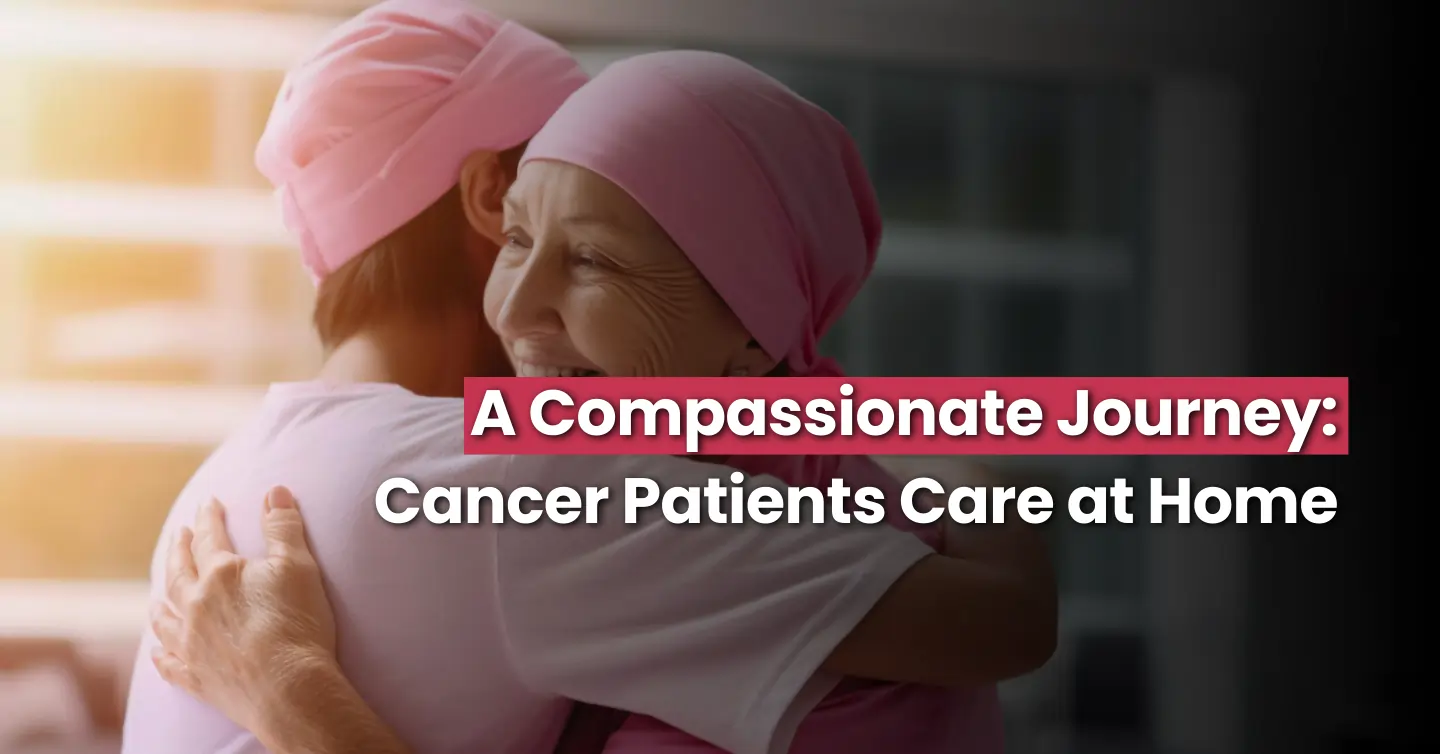
In addition to medical duties, caring for a cancer patient at home also requires empathy, tolerance, and comprehension. Patients might feel appreciated not only as patients but also as unique individuals in their homes. Modern healthcare values that place a high value on emotional health and dignity are consistent with this human-centered approach.
Conclusion
Taking care of a cancer patient at home combines medical expertise with human empathy. Home-based cancer care can provide comfort, safety, and dignity if it is provided by qualified specialists, modern medical procedures, and strong family support. As healthcare continues to change, home care is becoming a more viable alternative that encourages recovery outside of hospitals.