Why Home Is the Ideal Location for Senior Care?
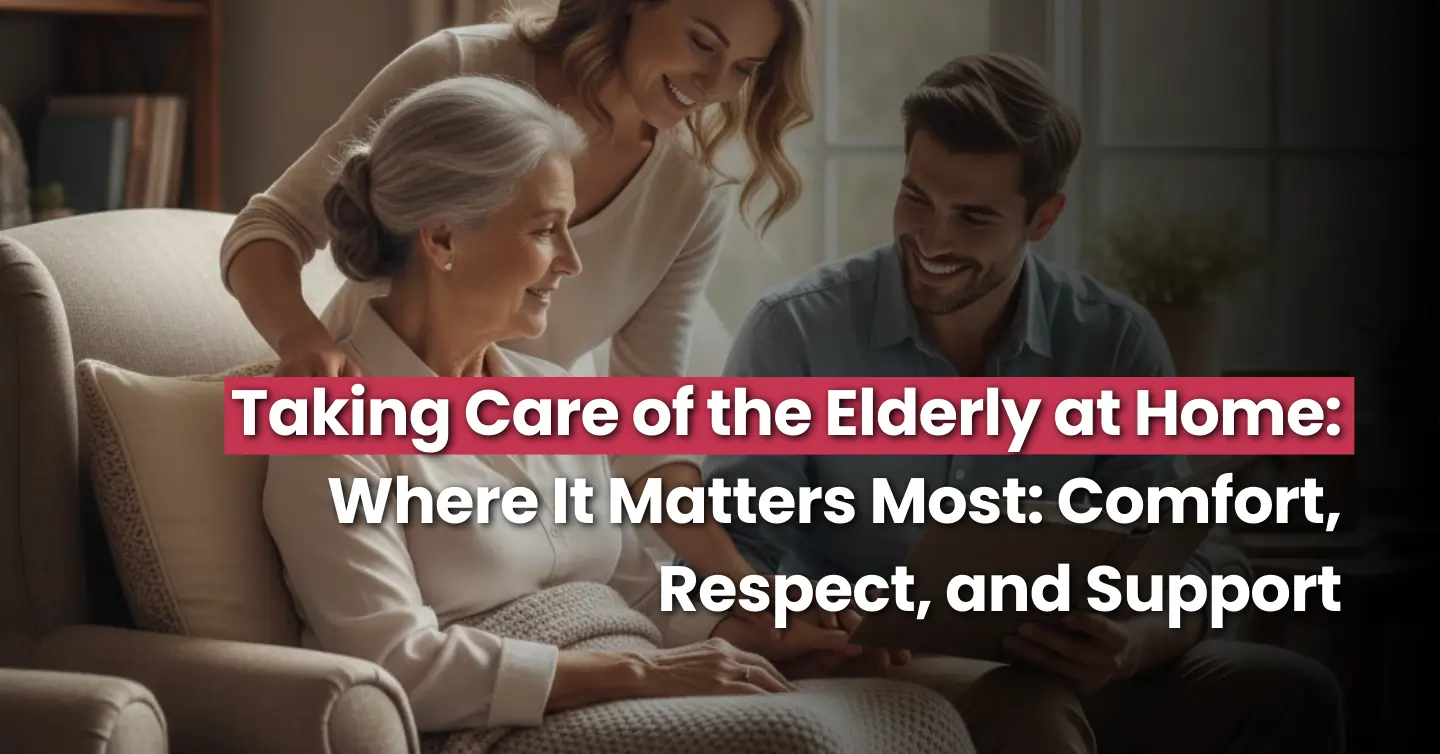
For older people, home is a symbol of comfort, custom, and familiarity. Relocating them to strange locations may result in emotional strain, bewilderment, and worry.
Seniors are happy at home. They stay in touch with family, consume familiar foods, and sleep better. Better physical health and quicker recovery are frequently the results of this mental stability. Seniors can age gracefully without feeling reliant or alone thanks to home-based care.
Med Cab bases care plans on the idea that healthcare should adapt to the aged, not the other way around.
Apprehend Home-Based Elder Care
Medical and non-medical assistance tailored to each person's needs is part of at-home care for the elderly. While some elders might need assistance with everyday tasks, others could need ongoing health monitoring or assistance with their recoveries. Before scheduling services, Med Cab carefully assesses each circumstance. The goal is to help without interfering with the senior's autonomy or sense of dignity. Care is planned, sensitive, and made to blend in with everyday life.
Med Cab's Careful Approach to Senior Care
Each treatment plan is unique. Routines are observed, family members are included, and care changes are made as needed. Seniors will feel supported rather than dominated thanks to our careful approach. By selecting a private home care service from Med Cab, you may get professional advice, emotional support, and concentrated attention all under a single covering.
Medical Treatment Without Hospital Pressure
Elderly individuals may find frequent hospital stays exhausting. Discomfort and health concerns are frequently increased by travel, waiting places, and crowded surroundings.
Seniors who receive professional home health care receive medical care in a comfortable and comfortable setting. This lessens the danger of infection, eases stress, and promotes mental balance.
Med Cab guarantees that at-home care adheres to appropriate medical standards while maintaining compassion and gentleness.
Just as vital as physical health is emotional well-being.
Loneliness or anxiety can occasionally accompany aging, particularly when health deteriorates. A major factor in total well-being is emotional care.
Support includes physical, emotional, and medical care.
Taking care of the elderly at home requires a balance of physical aid, medical treatment, and emotional connection.
1. Daily Living Assistance.
Some elders may need assistance with:
Bathing and Grooming
Dressing
Meal preparation
Medication Reminders
Mobility and walking assistance
Providing support without making them feel dependent is critical.
2. Medical supervision.
Chronic illnesses include diabetes, hypertension, heart disease, and arthritis, require ongoing monitoring.
Families should:
Track medicine and dose schedules.
Monitor blood pressure and blood sugar levels.
Schedule common medical checkups.
Keep emergency contact numbers available.
Professional home nursing services can also provide additional assistance when medical needs become more complex.
3. Emotional and Social Support.
Isolation can hurt the elderly's health. Encouraging visits from family, neighbors, and friends improves social connections.
Regular talks and storytelling sessions allow seniors to feel appreciated and heard. Emotional support has a direct impact on physical health.
Creating A Safe Home Environment
Safety is the number one priority in elder home care. Falls are one of the most common health dangers for seniors.
To establish a safe environment:
Install handrails on staircases.
Use anti-slip mats in restrooms.
Remove any loose carpets and clutter.
Ensure appropriate illumination in hallways.
Store regularly used products within easy reach.
Safety enhancements reduce the likelihood of accidents and boost mobility confidence.
Nutrition and Healthy Lifestyle for Seniors
Balanced eating boosts immunity, bone strength, and energy levels.
A healthy elderly diet should contain:
- Fresh fruits and veggies.
- Whole grains
- Lean proteins
- Adequate hydration
- Limited salt and sugar.
Meal planning should take into account medical issues and dietary restrictions.
Managing Chronic Illness At Home
Many elderly people suffer from chronic illnesses. Proper management minimizes difficulties.
Families can:
- Maintain a health diary.
- Monitor symptoms frequently.
- Ensure medication adherence.
- Communicate changes to doctors right away.
Professional caregivers or nurses can provide advanced care as needed.
The Emotional Challenges of Ageing
Grief, loneliness, fear of dependency, and memory loss are all common emotional issues associated with aging.
Caregivers should
Show patience with mood changes.
Offer reassurance.
Encourage mentally engaging activities.
Seek professional counseling as needed.
Mental health is equally vital as physical health.
Light physical activity, such as stretching, walking, or yoga, helps to improve circulation and flexibility.
Balancing caregiving and family life.
Caring for aging loved ones at home may be satisfying and demanding.
- Family caregivers must
- Share responsibility.
- Avoid burnout.
- Take personal breaks.
- Seek external help as necessary.
Professional home care services can offer part-time or full-time assistance to reduce family stress.
When professional home care becomes necessary.
Sometimes senior care necessitates particular medical expertise. Professional caregivers and nurses can assist with:
- Post-operative recuperation
- Wound Care
- Injection administration
- Advanced Mobility Support
- Palliative Care
Seeking professional help does not replace family care; rather, it enhances it.
The Importance of Compassion in Elderly Care
Compassion is important to senior home care. Beyond medical care and safety measures, seniors require warmth, empathy, and patience.
Simple gestures like holding their hand, listening intently, or sitting near them during stressful times instill a sense of security.
Compassion elevates caregiving from a duty to a meaningful act of love.
Planning for Long-term Care Needs
As people get older, their care needs may change. Planning ahead of time ensures that transitions go more smoothly.
Families should:
- Discuss your healthcare preferences.
- Organize medical records.
- Plan the financial arrangements.
- Consider part-time professional support.
- Preparation lowers uncertainty and stress.
Conclusion
Caring for the elderly at home entails more than simply addressing their physical needs. It is about upholding dignity, promoting emotional well-being, and acknowledging a lifetime of events.
Comfort makes them feel safe. Respect ensures their independence and identity. Support, both emotional and medical, improves their health and happiness.
Home is still the place where memories live, love surrounds, and seniors feel most appreciated. With careful preparation, compassion, and appropriate assistance, families may create an atmosphere in which their aging loved ones can thrive in dignity and peace.