Why Does Blood Pressure Increase in Winter?
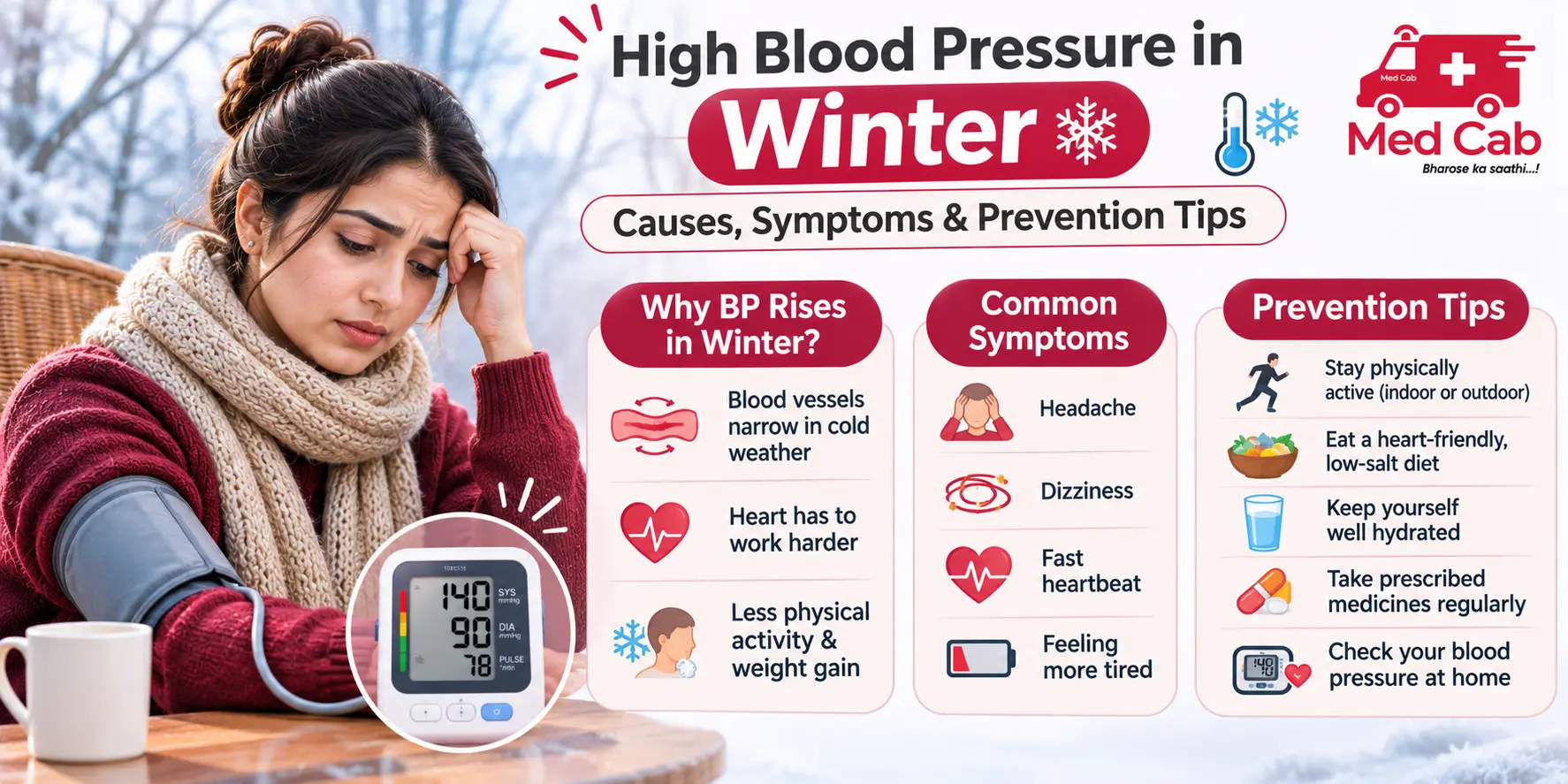
Understanding the Causes of High Blood Pressure in Winter helps explain how cold weather triggers stress responses and narrows blood vessels, pushing readings higher than usual.
Stress Hormone Increases
When the temperature decreases, the body automatically activates the sympathetic nervous system, which releases the stress hormones (adrenaline & noradrenaline). These catecholamine hormones increase heart rate and also signal the narrowing of blood vessels, which further causes high blood pressure due to vasoconstriction. The endothelium (the inner lining of blood vessels) can also temporarily constrict to conserve body heat.
Reduced Physical Activity
In winter, physical inactivity usually decreases compared to warm weather, but it can have a major impact on blood vessels. People with daily movement have good endothelial function. The endothelium helps in maintaining flexibility of vessels (wide & narrow); apart from that, it can also improve blood flow, which reduces the chances of blood clots. Regular exercise may also support cell growth of blood vessels.
Changes in Diet and Salt Intake
High-cholesterol foods or packaged snacks may cause higher BP. Increased serum cholesterol may increase the risk of plaque (fatty deposits inside blood vessel walls). High-salt-containing or processed items elevate blood pressure because salt causes fluid retention.
Other Vasoactive Substance Activity
Angiotensin II, Aldosterone, and Vasopressin (AVP) also play a significant role in controlling how tight your blood vessels get and how much water and salt your body holds onto. When these hormones tighten blood vessels or hold onto extra fluid, blood pressure can rise.
Air Pollution
During winter, ambient particulate matter such as PM10 and PM2.5 tends to rise—influenced
by factors like cold weather, stagnant air conditions, fuel burning, and traffic—which may contribute to elevated blood pressure.
High BP Symptoms in Winter
Some people may feel their blood pressure rise sharply or become very high in winter and notice symptoms such as:
- Persistent or severe headache
- Dizziness, light-headedness, or fainting.
- Blurred vision or other vision changes.
- Shortness of breath or unusual breathlessness with mild activity.
- Chest tightness, pressure, or pain.
- Unusual fatigue, weakness, palpitations.
- Facial flushing or nosebleeds.
These symptoms can also come from many other conditions, so do not assume they are caused by high blood pressure without checking it.
Blood Pressure: Hypotensive, Normotensive, & Hypertensive
Blood pressure is the force or pressure of circulating blood against the walls of blood vessels. According to guidance from the National Library of Medicine (NLM) via NCBI Bookshelf, blood pressure can be categorised into three categories with respect to its reading: Hypotensive, Normotensive, & Hypertensive.
| Blood Pressure Category | Reading Range (mmHg) | Simple Meaning |
| Hypotensive | Less than 90/60 mmHg | Low blood pressure |
| Normotensive | Less than 120/80 mmHg | Normal adult blood pressure |
| Hypertensive | 130/80 mmHg or higher | High or elevated blood pressure |
NOTE: Blood pressure varies with time of day, stress, illness, medications, and temperature. Diagnosis of hypertension usually requires repeated readings on separate occasions, not one isolated measurement.
How to Control High Blood Pressure in Winter?
High blood pressure in winter can be prevented by doing daily workouts, wearing warm clothes, noting BP readings fairly, and cutting down on processed food intake such as packaged snacks, pickles, and instant noodles. Read the points for a better understanding of all key points.
Stay Physically Active
Physical activity may help reduce the activity of the sympathetic nervous system and maintain normal blood pressure.
Follow a Low-Sodium Diet
A healthy diet or low processed food intake can be beneficial for keeping blood pressure steady in winter.
Keep Yourself Warm
Reducing early morning and late-night outings can be effective in preventing exposure to cold air. Winter clothing or warm innerwear is a practical approach to reduce heat loss from the body.
Monitor Blood Pressure Regularly
Make a habit to monitor the blood pressure regularly especially elder persons and hypertensive patients.
Take Prescribed Medicines on Time
People diagnosed with high blood pressure should take their prescribed medications on time and attend regular doctor follow-ups.
Healthy Vitamin D Habits
Vitamin D deficiency increases in winter for several reasons, such as less sun exposure. Getting safe sunlight, eating vitamin D foods, and talking to a doctor before taking supplements are good habits to keep. Scientists are still learning how vitamin D relates to blood pressure.
Who Is at Higher Risk of High BP During Winter?
People most at risk of a winter blood-pressure rise are older adults, people who already have hypertension, and those with cardiovascular, kidney, or metabolic disease. Cold causes blood vessels to narrow, increasing resistance to blood flow and raising blood pressure. People who are at higher risk of high BP during winter may include:
Elderly people (especially over 60):
Ageing may reduce flexibility of the endothelial membrane, which makes arteries stiffer; that’s why cold weather makes older people more susceptible to high BP.
People with existing hypertension:
If someone has poor BP control or unmanaged BP, it can raise the risk of dangerous spikes.
Patients with cardiovascular diseases:
Cold weather makes the heart work harder, which can put extra strain on people with heart problems and raise their risk.
People with diabetes or kidney disease:
Diabetes and kidney problems can affect blood vessels and fluid balance, making it harder to keep blood pressure under control in winter.
People with obesity or who smoke:
Extra weight puts more strain on the heart, and smoking narrows blood vessels—both can make winter blood pressure rises more serious.
People exposed to cold indoor temperatures:
Poorly heated living spaces keep blood vessels constricted for longer periods, leading to sustained high BP—especially during early mornings and nights.
When Should You Consult a Doctor for High Blood Pressure?
Consulting a doctor is important when a person finds their blood pressure reading higher than normal, as well as if they have symptoms such as chest pressure or dizziness. Older adults or patients with hypertension, heart & kidney diseases are recommended for regular follow-up with a registered medical practitioner. For online doctor consultation, you can check the Med Cab platform, where you can book an appointment with a specialist at affordable prices.
What Should I Do in a Medical Emergency?
For an immediate medical emergency—such as severe chest pain, shortness of breath, sudden weakness or numbness, vision changes, or fainting—call 112 or 108 right away, or go to the nearest medical centre without waiting for an online consultation. You can also reach Med Cab at 1800-890-8208 for private ambulance assistance.
Conclusion
High blood pressure in winter can happen due to various reasons, such as increased levels of stress hormones, less physical movement, and high intake of fast food or unhealthy food. To control BP, it is important to manage these parameters and monitor the reading regularly. Some individuals are at high risk, so it is crucial to follow proper guidance regarding management of BP.
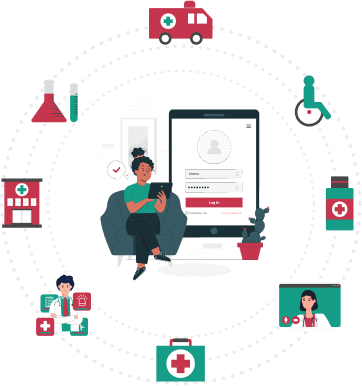
Here, I also want to introduce with Med Cab, which coordinates with trustworthy healthcare partners and offers a wide range of services such as patient care at home, online pathology services, rental equipment, and many more.
Frequently Asked Questions (FAQs)
1. Why does blood pressure increase in winter?
Cold temperatures cause blood vessels to narrow, increasing resistance to blood flow and raising blood pressure.
2. What are the common symptoms of high BP in winter?
High BP often has no symptoms. However, severe elevation may cause headaches, dizziness, blurred vision, chest pain, or breathlessness.
3. What is the normal blood pressure range in winter?
Normal blood pressure for most adults is below 120/80 mmHg, regardless of the season.
4. How can I control high blood pressure naturally in winter?
Stay physically active, reduce salt intake, eat a balanced diet, wear warm clothes, and monitor your BP regularly.
5. Who is at higher risk of high BP during winter?
Older adults and people with hypertension, diabetes, kidney disease, heart conditions, or obesity are at higher risk.
6. Does cold weather increase blood pressure in healthy people?
Yes, cold weather can temporarily increase BP even in healthy people because blood vessels narrow to conserve body heat.
7. How often should I check my blood pressure in winter?
People with hypertension should monitor BP as advised by their doctor and maintain a record of their readings.
8. When should I consult a doctor for high blood pressure?
Consult a doctor if BP readings remain consistently high. If BP exceeds 180/120 mmHg, seek immediate medical advice. Chest pain, severe breathlessness, or sudden weakness requires emergency care.
9. How can I consult a doctor online for high blood pressure?
You can book an online doctor consultation through Med Cab to discuss your BP readings and get medical guidance from a doctor.
10. How can I book an ambulance for a high BP emergency?
You can contact Med Cab at 1800-890-8208 for ambulance assistance in Lucknow. For life-threatening emergencies, call 112 or 108 immediately.