Understanding At-Home Nursing Care: What Does It Include?
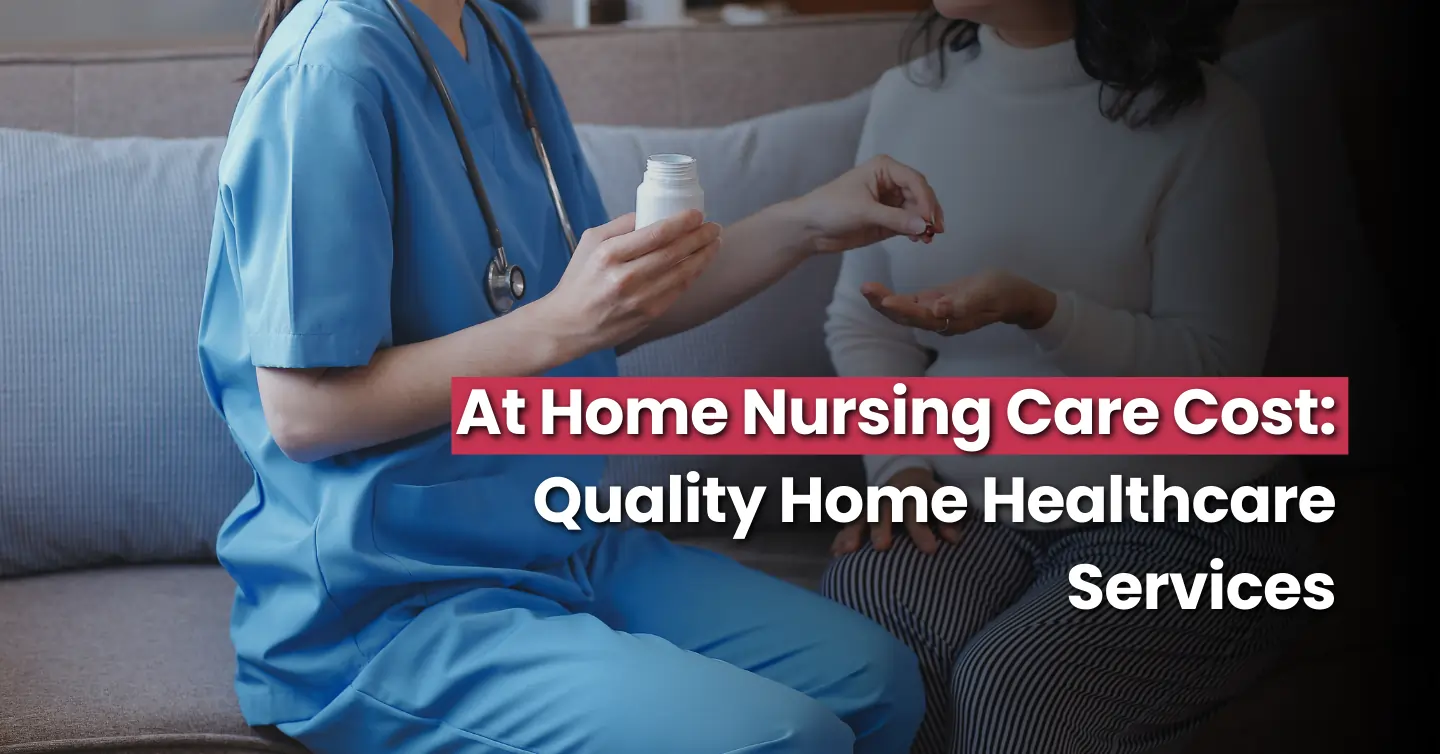
Let's look at the costs, but first, what is home nursing care? It’s getting professional medical attention for someone in their own home and is for people needing medical supervision, help after being in the hospital, help with long-term health problems, care for older family members, or care to improve comfort when illness is very serious.
Professional nurses or healthcare workers with training provide this care at home, and it’s different from just basic help. This care can involve giving medication, looking after wounds, giving injections, providing fluids into a vein (IV therapy), managing urinary catheters, checking blood pressure, pulse, and temperature, and helping people after an operation. When things are more complicated, nurses will work with doctors to make sure treatment can continue. Having healthcare at home often means people don't need to be in the hospital for as long, which can cut down on healthcare spending quite a bit. Families get care that is specifically for their loved one and emotional support, which is often hard to get in a busy hospital. Because of all the different things the care can include, the price will change depending on the medical needs and how much care is required.
Get Home Nursing Care Now
Looking for trustworthy and affordable home nursing services? Med Cab is here to offer your loved ones high-quality treatment at an affordable price.
Call Now—07311169992
Book a Home Visit Right Now
Talk with Our Care Experts
There are just a few slots available, so book your service right away for fast help!
2. Key Factors Affecting At-Home Nursing Care Costs
At-home nursing care costs are determined by a number of crucial elements. One of the most important variables is the amount of medical intricacy. Basic nursing support, such as medication reminders or routine monitoring, is usually less expensive than complicated services like ICU-level care at home in Lucknow or ventilator support.
How long the care lasts is also a big factor. Charges can be by the hour, the day, the week, or the month. Care for a short time, like after a surgery for a few weeks, will be much cheaper than long-term care for older people, which can last for months or even years. Where you live changes the price, too. Nurses usually charge more in cities and towns where living is expensive. A nurse’s qualifications and how much experience they have will also affect the cost. A registered nurse with a lot of experience in treating serious illnesses or long-term conditions will likely charge more than a nursing assistant. Also, how much of the time you need care covered—part-time, full-time, or 24 hours a day—will affect the overall price. Constant, 24-hour care uses more staff and therefore costs more than scheduled visits.
3. Home Nursing Care Pricing Models: Hourly or Monthly
Home healthcare companies usually have different pricing options to suit different families. Knowing all of this will help you plan your spending.
If someone only needs medical help for a few hours each day, hourly care is a good option. For instance, someone getting over a small operation might just need someone for one or two hours a day to change dressings and give medication. This is a good way to manage costs and be flexible. Daily care, or care based around shifts, is generally 8 to twelve hours at a time and works for people who need to be checked on throughout the day or night. People with long-term illnesses often find that monthly care packages work out cheaper. These usually include all the skilled nursing care a person needs, regular health checks, and a plan of support specifically for them. Monthly plans can reduce the daily cost a lot compared to hourly care. What kind of pricing works best depends on the person’s health, how much the family can help, and what they can afford. What kind of pricing works best depends on the person’s health, how much the family can help, and what they can afford.
4. Comparing Home Nursing Care Costs to Hospital Expenses
One of the most crucial economic factors is the comparison of hospital stays with home nursing care. Hospitals are necessary for acute treatment, operations, and emergency care. However, extended hospital stays can be too costly due to accommodation expenses, medical equipment bills, and ongoing monitoring costs.
Once the patient's condition has stabilized, home healthcare services in Lucknow are a cost-effective alternative. Having care after an operation, managing a long-term health problem, or looking after older relatives at home means you don't have to pay for a hospital room. Families also spend less on getting to and from the hospital, and on other things. And surprisingly often, people get better more quickly when they’re at home, because they are more relaxed and are not around all the germs in a hospital. So, although paying for a nurse to come to your home might seem expensive, it’s a lot of the time cheaper than a long spell in hospital.
5. Different types of home nursing services and their costs
The sort of service required has a significant impact on overall costs. The following are some common categories of home nursing care:
Post-Surgical Care: This includes wound care, medication delivery, and monitoring of recovery progress. Chronic Disease Management: Patients with diabetes, hypertension, heart problems, or respiratory diseases require continuing expert nursing care. Regular monitoring and preventive care have an impact on monthly expenses.
Elderly Care Services: Seniors may require assistance with movement, cleanliness, medication administration, and companionship. Long-term care plans typically provide cost-effective packages.
Palliative Care Services: These services are designed to help individuals with serious diseases manage their suffering and find comfort. This specialist care may include complex symptom management and emotional support.
Critical Care at Home: Provides ventilator support, ICU-level monitoring, and specialist equipment. Due to the complexity of medical procedures, this is usually the most expensive category.
Understanding these service categories enables families to select appropriate care levels while avoiding overpaying for unnecessary services.
6. Hidden Costs of Home Healthcare
When figuring out the price of a nurse at home, families need to think about if anything extra will be added to the bill. For example, some agencies will charge separately for medical supplies, equipment for you to borrow, or if a nurse has to come out in an emergency. A standard care package won't generally have things like hospital beds, oxygen machines, equipment for giving medicine through a drip, or walking aids. And you will generally be billed separately for the cost of your medicines. The distance a nurse has to travel to get to you, especially if you live in a remote area, will also add to the total. Good, open companies will clearly explain all costs to you from the beginning so you aren't hit with an unexpected bill. If you pick a trustworthy home care team, you can be sure the price is clear, sensible, and has no surprises.
You can learn more about our nursing care at home in the Gomti Nagar service if you live nearby.
Read more
7. Insurance and Financial Planning for Home Nursing Care
A lot of families wonder if their health insurance will pay for a nurse to come to the house. Whether it does or doesn't depends on what your insurance says, and on having proof from the doctor that the care is needed. Some insurance plans will cover a part of the cost of skilled nursing at home, especially if a doctor has said you need it after being in the hospital. In certain areas, government health schemes might give you money towards care for older people or for illnesses that last a long time. You absolutely must look at your insurance paperwork and speak to someone at the insurance company to find out if you’ll be reimbursed. It’s important to do your financial planning for long-term care. If you discuss with the home care company how long care is likely to be needed, roughly how much it will cost, and if they have different ways to pay, your family can make a plan for the future.
8. Our Affordable and Personalized Home Nursing Care Services.
We aim to give really good care in people’s homes and to be affordable with our prices so you know exactly what you’re paying for. We understand everyone who needs medical help is different, so we build care plans around their specific health issues and what the family can manage to pay.
Our nurses are good at a lot of things: giving medicines, looking after wounds, administering injections, tracking long-term illnesses, caring for older people, and providing palliative (comfort) care. Also, we help people to get back on their feet after a hospital stay, making it easier for them to move from the hospital to their homes. We’re careful to keep our prices reasonable while still doing a professional job, and we don't have any sneaky costs in our price list. Families can pay by the hour, for a full day, or by the month, depending on the medical support needed.
9. Is At-Home Nursing Care Worth the Money? Final Thoughts
In fact, when you’re figuring out how much home nursing will be, what you get for your money is more important than the number itself. Compared with being in the hospital for a long time, having a nurse at home is more tailored to the person; they’ll feel more emotionally supported, are less likely to get an infection, and it will probably save you money.
The patient gets skilled, one-to-one nursing, a schedule that works for them, and their therapy in the place they feel safest. Family members can relax knowing their family member is being properly looked after by professionals. Although the amount of care and how long it lasts change the expense, care at home is very often a kinder and more practical alternative to the hospital. With some planning for the money and a trustworthy provider, getting a nurse in the house can be a way to improve someone’s quality of life, their dignity, and their long-term health.