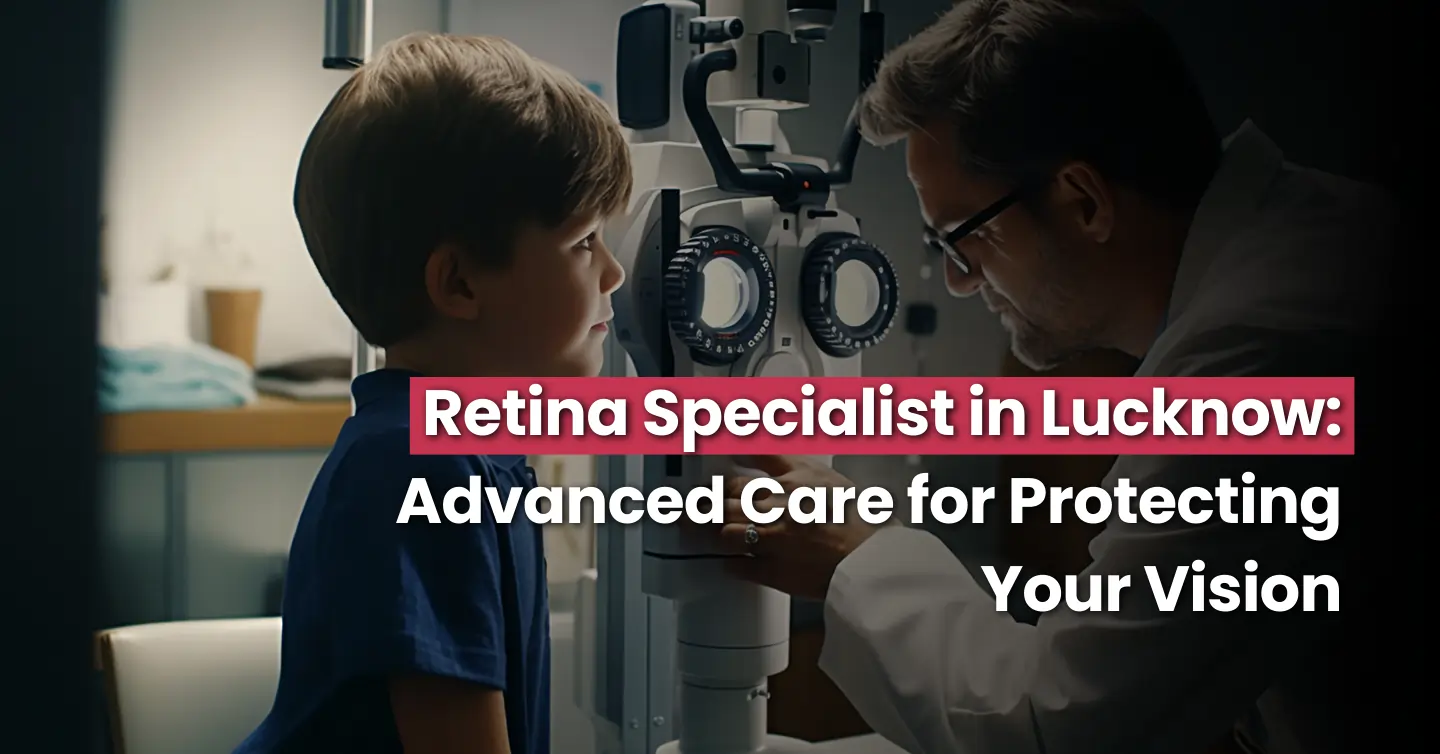
Recognizing a Retina Specialist's Function in Eye Care
A retina specialist is an eye doctor with specialized training in detecting and treating conditions of the retina and vitreous (the gel-like substance inside the eye). Retina specialists treat complicated and dangerous disorders that affect the back of the eye, while ordinary eye doctors handle basic eye exams and vision correction.
Systemic health issues like diabetes, high blood pressure, and aging are frequently associated with retinal variations. Using sophisticated imaging equipment and diagnostic testing, a retina expert closely inspects the retina to find even the smallest changes. If left untreated, these alterations can result in irreversible vision loss even though they may not initially cause discomfort or other symptoms.
A retina specialist's responsibilities extend beyond medical care. Additionally, they advise patients on long-term eye care, educate them about their disease, and describe how lifestyle choices and existing medical conditions affect the retina. The expert is a long-term partner in eye health because many retinal disorders require ongoing monitoring rather than one-time therapy.
Patients commonly contact retina specialists after being referred by regular eye doctors. However, individuals with diabetes, abrupt changes in vision, light flashes, floaters, or distorted vision should get a retinal examination as soon as possible.
Common Retinal Disorders and How They Affect Vision
People of all ages are at risk for retinal diseases, but the risk rises with age and long-term medical issues. Diabetic retinopathy is one of the most prevalent retinal conditions. When the blood vessels in the retina are harmed by high blood sugar, this disease arises. Early on, there may be little to no symptoms, but as the illness worsens, it may result in significant vision loss.
Age-related macular degeneration is another prevalent disease. This has an impact on the retina's central region, which is in charge of clear vision. Patients may have trouble seeing minute details, reading, or identifying faces. Early diagnosis may extend vision preservation and slow down the decline.
A severe medical emergency is retinal detachment. It happens when the retina breaks away from the rear of the eye, causing a sudden decrease in vision. Light flashes, an abrupt rise in floaters, or a shadow over the field of vision are possible symptoms. To preserve vision, immediate care is essential.
Retinal capillary blockages, macular edema, genetic retinal defects, and retinal infections are further retinal problems. Each problem requires specific evaluation and treatment, which is why retina care is considered a highly specialized discipline within ophthalmology.
When comparing the top 10 eye specialists in Lucknow, many individuals look for qualified physicians, particularly when dealing with complicated retinal issues. Rankings can be useful, but the best option relies on patient trust, technology, and expertise.
Diagnosis and Advanced Treatment Options for Retinal Disorders
In recent years, there has been a major advancement in modern retinal care. High-resolution imaging techniques that enable in-depth analysis of retinal layers are increasingly used by retinal experts. These technologies help in early disease detection and precise treatment response monitoring.
A thorough eye examination is typically the first step in the diagnosis process. If necessary, imaging procedures like retinal scans or angiography are next performed. These examinations are painless and provide crucial information regarding blood flow, swelling, or injury in the retina.
The degree and nature of the medical condition determine the course of treatment. Medication or injections that reduce swelling and abnormal blood vessel growth can be used to treat some retinal illnesses. These therapies aid in stabilising vision and are frequently administered on a regular basis. When dealing with retinal issues, people frequently search for the best eye doctor in Lucknow because technology and experience have an important effect on results. A qualified retina specialist helps patients understand their condition and treatment plan by combining medical knowledge with effective communication.
The Value of Preventive Retinal Care and Early Detection
The fact that many retinal diseases progress silently is one of the primary challenges. Loss of vision frequently happens only after serious harm has already occurred. For this reason, routine eye exams are crucial, particularly for those who are at high risk.
Regular retinal checkups are necessary for people with diabetes, even if their vision appears normal. In a similar vein, routine eye exams should not be ignored by the elderly or those with a family history of eye disease.
Retinal Care for Various Age Groups
Depending on age, different people are affected by retinal conditions. Injuries, infections, or genetic disorders may cause retinal problems in younger people. Long-term effects can be avoided with early treatment. Diabetes-related retinal defects and lifestyle-related eye problems are becoming more prevalent in middle-aged people. Effective risk management is made easier by routine monitoring. Vascular issues and age-related retinal degeneration are common in older persons. With careful treatment and regular follow-ups, many elderly individuals can keep functional vision and independence.
In order to provide each patient with individualized and secure care, retina specialists modify treatment regimens based on factors such as age, general health, and lifestyle.
Choosing the Best Lucknow Retina Specialist
Choosing a retinal expert is an important choice. Experience, the use of modern diagnostic instruments, ethical behavior, and effective patient communication are all things that patients should look for. A good specialist communicates the situation honestly and discusses treatment choices freely.
Comfort and trust are equally vital. Retinal therapies sometimes take many visits, so a helpful and patient-friendly approach makes the trip simpler.