The Evolution of Healthcare: The Reasons Behind the Rapid Growth of Home Care
Patient-centered care has become more popular in recent years. Hospitals are ideal for crucial treatments and emergencies, but long-term hospital care can be costly, stressful, and distressing. Home care services can help in this situation.
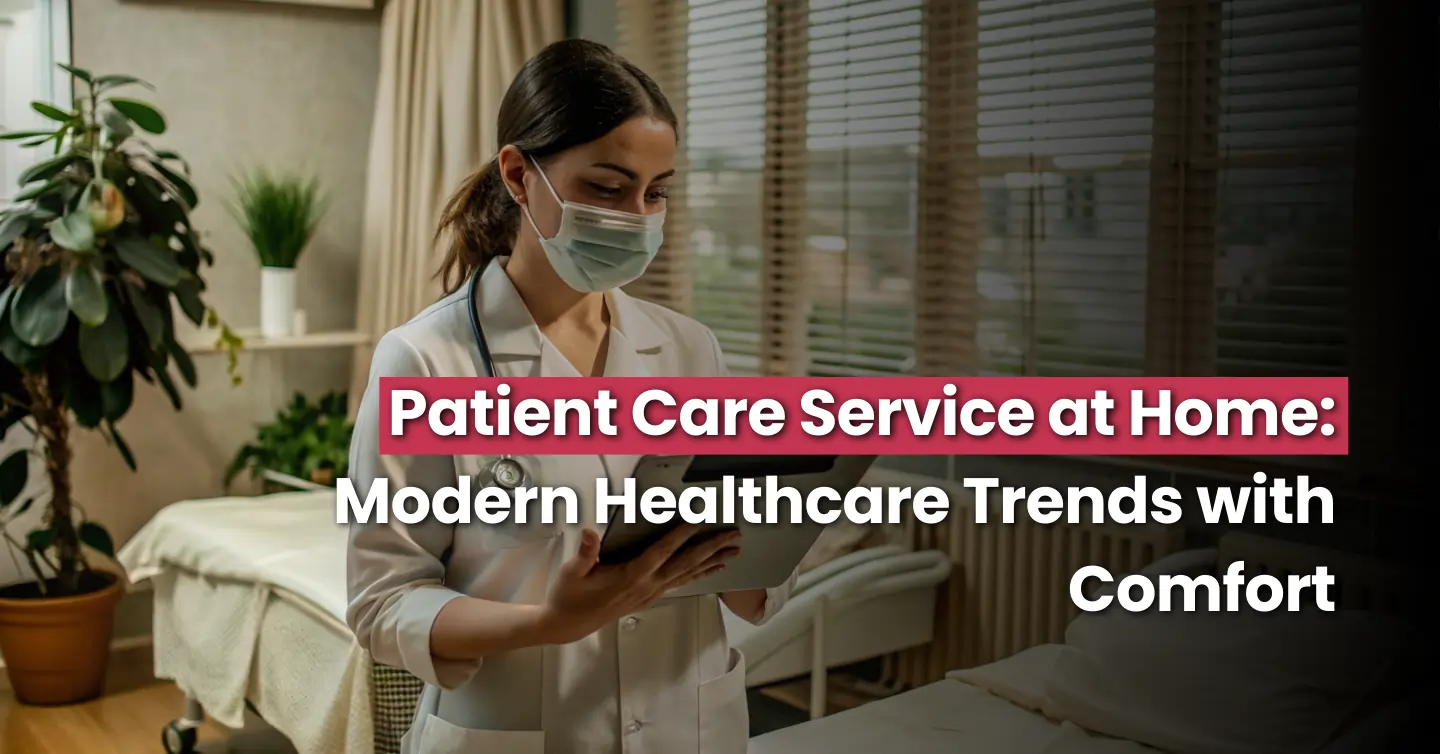
Patient care at home enables people to recover in a comfortable setting with their loved ones. Research currently indicates that patients who receive treatment at home recover more quickly, have greater emotional health, and experience less stress. Home healthcare is now a preferred healthcare model for many families in 2026 and is no longer an option.
What Does "Patient Care Service at Home" Actually Mean?
Patient care services at home entail licensed medical professionals offering patients both medical and non-medical assistance in the comfort of their own homes. The patient's age, condition, and recovery requirements all influence this care.
Daily help, medical supervision, the pharmaceutical industry, physical therapy, wound care, and emotional support are some examples of services. Professional home care, in contrast to unpaid assistance, conforms to medical procedures and operates under physician supervision, guaranteeing consistency and safety.
Who Needs Patient Care at Home?
Many different types of people can benefit from at-home patient care. Home-based care is beneficial for bedridden patients, elderly patients who require daily support, patients healing from surgery, people with chronic illnesses, and people with disabilities.
Patients who require long-term monitoring but do not require ongoing hospitalization can also benefit greatly from it. Without sacrificing professional medical standards, home care assists families in handling caregiving responsibilities.
Essential Services for In-Home Patient Care
Daily Personal Care
To maintain comfort and hygiene, help with toileting, grooming, feeding, bathing, and movement.
Support for Medication and Medical Monitoring
Complications can be avoided by timely medication, routine health examinations, and symptom monitoring.
Mental and Emotional Assistance
Friendship, interaction, and certainty can lessen worry and loneliness.
Personalised Care Plans: An Important Healthcare Update for 2026
Personalization is one of the most significant advancements in contemporary home healthcare. These days, medical history, lifestyle, food restrictions, and mental health conditions are taken into consideration while creating patient care plans. In order to make real-time adjustments to care plans, healthcare providers now use digital assessments and frequent progress tracking. This individualized strategy makes home care more effective and patient-focused by preventing needless treatments and improving results.
The Function of Qualified Caregivers in Home Health Care
The foundation of home healthcare services is provided by qualified caregivers. They have received training in handling medical equipment, adhering to hygienic procedures, helping in emergencies, and providing compassionate support for everyday tasks.
Skilled caregivers are aware of patient safety, infection control, and medical ethics, in contrast to workers with no training.
Preventing Issues with Expert Home Care
Prevention is one of the main objectives of home care. Without adequate supervision, patients frequently run the danger of developing bedsores, infections, dehydration, medication errors, and falls. Through organized routines, frequent monitoring, and preventive measures, professional home care lowers these risks. Early warning indicators can help prevent hospital readmissions and medical problems.
Emotional and Mental Health in Home Care
Recovery requires more than just physical care. Healing is significantly impacted by emotional well-being. Patients who receive care at home report feeling more motivated, safe, and at ease.
Mental stimulation, routine development, and emotional engagement are examples of contemporary home care techniques. Depression can be reduced and general well-being enhanced by having straightforward discussions, listening to patients, and including them in decision-making.
Home Hygiene and Infection Control Guidelines
Infection management has become a major concern in post-pandemic healthcare. Like hospitals, home care providers now adhere to stringent sanitary regulations.
Caregivers keep things neat, cleanse surfaces, properly dispose of garbage, and take precautions when necessary. Patients with chronic illnesses or weakened immune systems should pay particular attention to these practices.
Home Healthcare Technology: More Intelligent Care in 2026
At-home patient care has been changed by technology. Continuous health tracking is made possible by gadgets like digital blood pressure monitors, oxygen trackers, glucose meters, and remote monitoring applications. Physicians are able to remotely evaluate patient data and provide real-time guidance to caregivers. This lowers the possibility of emergencies and guarantees prompt medical attention without hospital stays.
When Is Patient Care at Home the Best Option?
When long-term care becomes necessary
When hospital stays cause financial or emotional strain
When customized care is required
Home care provides a secure and efficient solution in these circumstances.
Conclusion
For high-quality care, choosing the appropriate provider is crucial. A trustworthy service should provide medical monitoring, emergency assistance, trained personnel, and open communication.
Families should review caregiver qualifications, service flexibility, and care guidelines before making a decision. A reliable service guarantees regular treatment and peace of mind.