Perception of Patient Care at Home Service
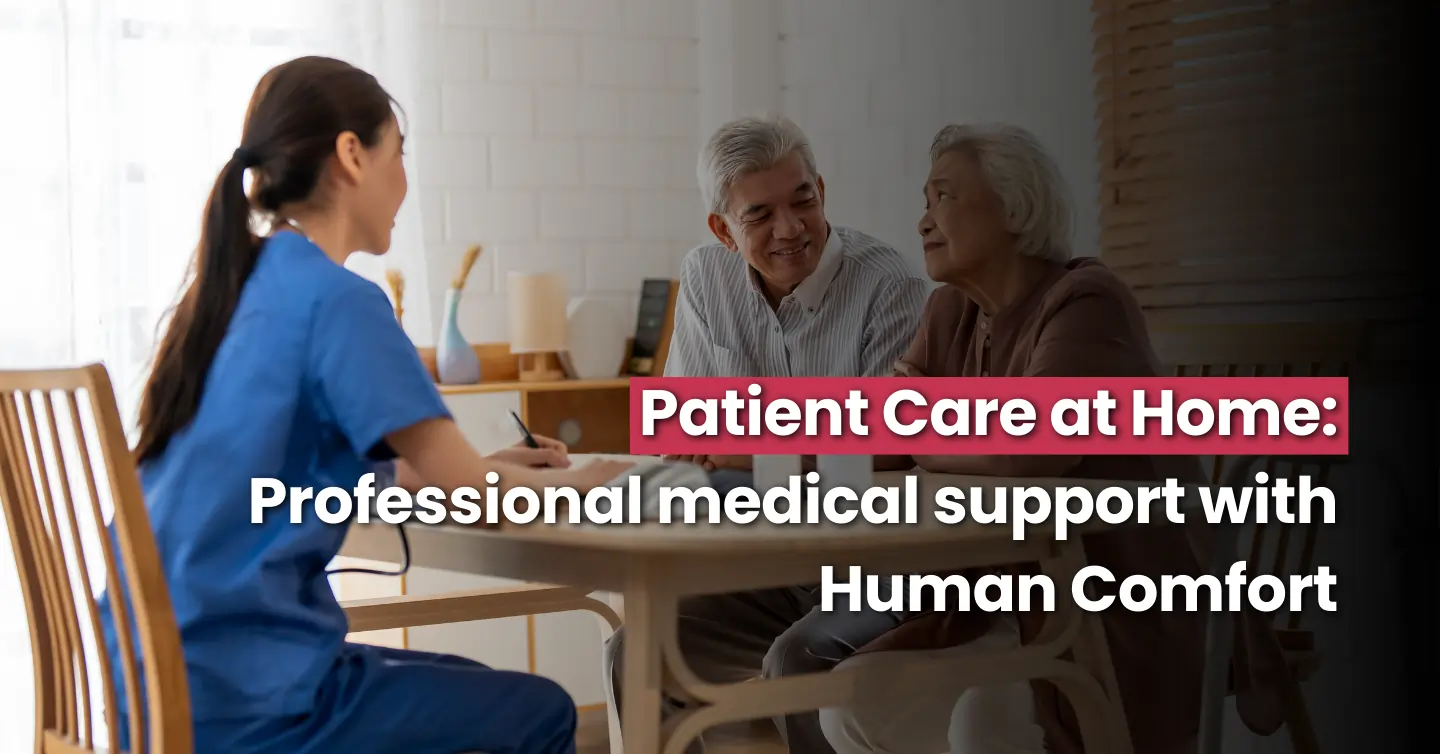
Patient care at home service means providing medical and emotional support in their own homes instead of hospitals and nursing facilities. It includes medical supervision, nursing care, daily assistance, and mental support according tothe patient's condition.
The Growing Demand for Home-Based Patient Care
In today’s hectic life, families sometimes struggle with managing medical responsibilities along with work and other commitments. Home care services can bridge this gap by delivering professional assistance at home.
Patients feel more relaxed and secure in their own settings. This emotional comfort plays a key part in quicker recovery. Research indicates that compared to extended hospital stays, individuals who receive care at home frequently have lower levels of anxiety, greater sleep, and enhanced general well-being.
Who Can Benefit from Patient Care at Home?
Many different kinds of patients can receive home care. People of various ages who require daily assistance or medical attention can benefit from it.
Elderly patients who have mobility challenges, patients recovering from surgery, those with neurological or orthopedic disabilities, and people managing long-term illnesses can all benefit from home care. Home care is very helpful, even for patients who require short-term medical supervision after being released from the hospital.
Services Provided by Home Patient Care
Services for in-home patient care are versatile and can be customized to meet specific needs. While some individuals need assistance with everyday tasks, others need medical attention.
Typical Services Offered Include:
Medical monitoring, such as blood pressure, sugar levels, and medication management
Personal care, such as feeding, bathing, and assistance with mobility
Companionship and emotional support to lessen loneliness
Together, these services guarantee comprehensive care at home.
Nurses' and medical professionals' roles at home
The basis of home care services is made up of qualified nurses and medical professionals. They are trained to do medical procedures, monitor health problems, and respond to emergencies.
Injections, bladder management, wound care, and post-operative support are all provided by nurses. They help educate patients and families about medications and lifestyle modifications, ensuring continuity of care long after the nurse leaves.
The Value of Having a Qualified Caregiver at Home
In order to provide daily patient support, a professional patient caregiver at home is essential. Caregivers help with basic health monitoring, food, mobility, and personal cleanliness.
Caregivers provide mental comfort in addition to physical support. Patients, particularly those who are elderly or living alone, feel safer and more cared for when they are around.
Patient Care at Home Service: A Complete Healthcare Solution
A well-designed at-home patient care strategy integrates personal care, nursing assistance, and medical knowledge into a single system. This integrated approach guarantees that patients receive consistent and reliable care without misunderstanding or delays.
Together, physicians, nurses, caregivers, and family members agree to a well-defined care plan. Everyone's stress levels are lowered, and therapy results are enhanced by this working relationship.
Taking Care of Chronic Illness at Home
Chronic illnesses such as diabetes, heart disease, respiratory disorders, and neurological conditions require continuous monitoring and lifestyle management. Home care services make this procedure easier and more effective.
Healthcare practitioners track symptoms, manage medications, and alter care plans as needed. This preventive strategy lowers the number of emergency hospital visits and helps avoid complications.
Emotional and Mental Health Benefits of Home Care
Healing is not only about drugs and processes. A key component of healing is emotional health. Patients who get home care can maintain habits, stay in touch with family, and feel emotionally supported.
Particularly for long-term patients, this setting lowers stress, anxiety, and depression. Better physical results are frequently the result of emotional stability.
Standards for Safety and Hygiene in Home Care
Professional home care providers follow stringent hygiene and safety regulations. Emergency protocols are in place, medical equipment is thoroughly cleaned, and caregivers take precautions.
These guidelines ensure that patients receive dependable, safe care at home, comparable to services provided in hospitals.
Benefits of Home Patient Care in Terms of Cost
Long-term hospital stays can be costly. Home care services are often more cost-effective because patients pay only for essential services.
Because of its affordability, high-quality healthcare is accessible while upholding professional standards.
Challenges in Home Patient Care and How They Are Managed
Home care can confront problems such as emergency handling or cooperation between caregivers and doctors. Professional service providers manage these challenges with trained staff, clear communication, and well-defined protocols.
Modern technology, like remote monitoring and digital records, also enhances efficiency and safety.
Choosing the Right Home Care Provider
For home care to be effective, choosing the proper provider is essential. Families ought to look for skilled staff, open services, appropriate licensing, and effective communication.
Consistent, safe, and patient-centered care is guaranteed by a trustworthy provider.
Patient Care at Home's Future
Personalized, at-home solutions are the way of the future for healthcare. Home care is becoming more dependable and accessible thanks to developments in medical technology, remote monitoring, and qualified caregivers.
Home-based patient care is now an essential part of contemporary healthcare systems rather than an option.
Conclusion
Patient care at home offers a perfect blend of medical knowledge and personal comfort. It improves healing, enhances mental health, and enables sufferers to live honorably in comfortable environments. Home-based patient care is a reliable and efficient healthcare option for today's demands thanks to competent staff, individualized care plans, and ongoing support.