What is a nebulizer machine?
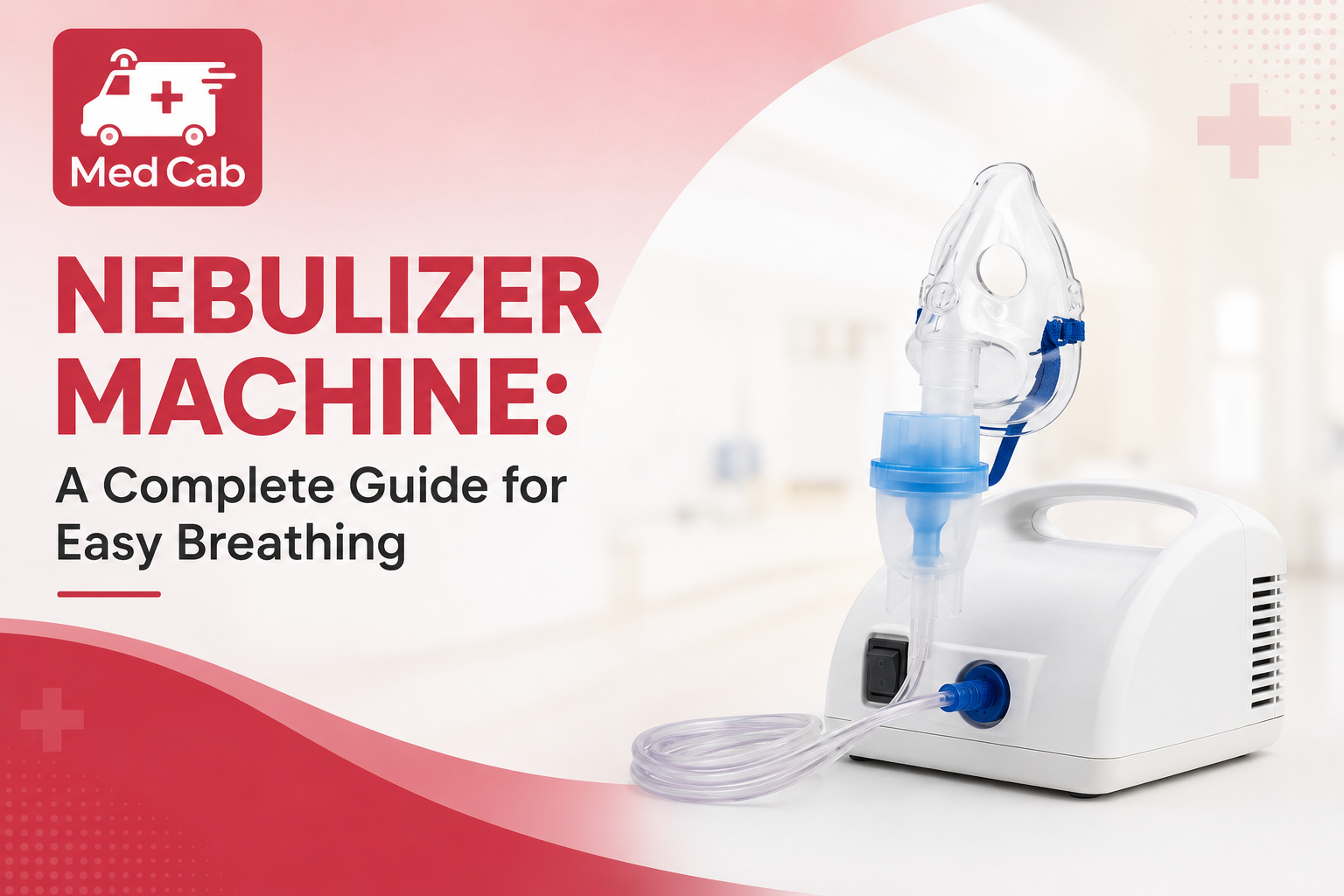
A nebulizer medicine device that converts liquid medication into a fine mist. Patients can then inhale this mist through a mask or a mouthpiece.
To put it simply:
The medication reaches the lungs directly, thereby providing rapid relief.
Why Is a Nebulizer Used?
Nebulizers are used for individuals suffering from breathing-related conditions, such as
Asthma
Bronchitis
COPD (Chronic Obstructive Pulmonary Disease)
Severe cough and wheezing
Allergy attacks
Chest infections
Doctors typically recommend a nebulizer when inhalers are ineffective or when a patient—particularly children or the elderly—struggles to use an inhaler correctly.
How Does a Nebulizer Work?
The process of using a nebulizer is quite simple:
The liquid medication is poured into a small cup.
The machine converts the medication into a mist.
The patient wears the mask and inhales the mist.
Types of Nebulizers
There are primarily three types of nebulizer machines available on the market:
Jet Nebulizer
The most common and affordable option
Uses compressed air to create the mist
Tends to be somewhat noisy
Ultrasonic Nebulizer
Operates using high-frequency vibrations
Fast-acting and efficient
Generally comes with a higher price tag
Mesh Nebulizer
Advanced and highly portable
Silent and efficient in operation
The best option for travelers
Benefits of Using a Nebulizer
The greatest benefit of using a nebulizer is its ease of use. Unlike an inhaler, using this device does not require any special technique.
It provides rapid relief because the medication is delivered directly to the lungs. It is suitable for people of all ages, whether children or the elderly. Through this method, the prescribed dose of medication reaches the lungs effectively, making the treatment more potent and accelerating recovery.
How to use a nebulizer at home?
Using a nebulizer at home is a fairly simple process. First, you should wash your hands thoroughly to minimize the risk of infection. Next, pour the prescribed medication into the medication cup and attach either a face mask or a mouthpiece. Once the machine is switched on, the patient should sit upright and breathe normally. This process continues until all the medication has been consumed, which typically takes 10 to 15 minutes.
Safety Tips: Essential Precautions
Maintaining proper hygiene and safety is crucial when using a nebulizer. The machine should be cleaned after every use to prevent bacterial growth. You should use only the medication prescribed by your doctor and never share your nebulizer machine with anyone else.
Nebulizer vs. Inhaler: What is the difference?
Both nebulizers and inhalers are used to treat breathing difficulties, but they operate using different methods. While using a nebulizer takes a little longer, it is easier to use and is considered more effective in severe cases. An inhaler is faster and more portable, but it requires proper training to use correctly. Therefore, a doctor evaluates the patient's specific condition to determine which option is the most suitable.