What Happens to Your Body During Fasting?
A Navratri fast can look different for different people. Some people eat fruits and dairy products, while others include foods such as kuttu, singhara, sabudana, makhana, and selected vegetables. Some devotees may have one meal, while others prefer smaller meals during the day.
There is no single routine that works for everyone. Your fasting pattern may depend on your family traditions, personal preferences, and health requirements. The important thing is to avoid unnecessarily restricting food and fluids simply because you are fasting.
Plan Your Meals Before the Day Begins
The Navratri fasting days can become busy with puja, temple visits, work, and family celebrations. When you are busy, it is easy to forget about eating or drinking enough. Planning your meals can help you avoid this.
Keep easy options such as fresh fruits, curd, nuts, or makhana available. If you are preparing a proper meal, include suitable vegetables along with foods allowed during your fast. This can help you maintain your energy instead of depending entirely on fried snacks.
If you are thinking about how to fast for Navratri, remember that fasting is not a competition. You don't have to copy someone else's routine. Choose an approach that fits your religious practices and allows you to feel comfortable during the day.
Choose Simple and Nutritious Foods
Knowing how to keep a Navratri fast in a healthy way is mostly about making sensible choices. Traditional vrat foods can easily become heavy when they are deep-fried or loaded with sugar and salt.
You can enjoy foods such as kuttu roti, sabudana, potatoes, or vrat snacks, but try to keep portions moderate. Add fruits, curd, milk, nuts, or other suitable foods to bring more variety to your meals.
For example, roasted makhana can be a convenient snack, while fresh fruit can be a lighter choice when you feel hungry between meals. Small changes like these can help you feel less sluggish during the day.
What to Eat During Navratri Fasting?
One of the most common questions people have is, during Navratri fasting, what should I eat? The answer depends on your fasting tradition, but there are several nutritious options that can be included.
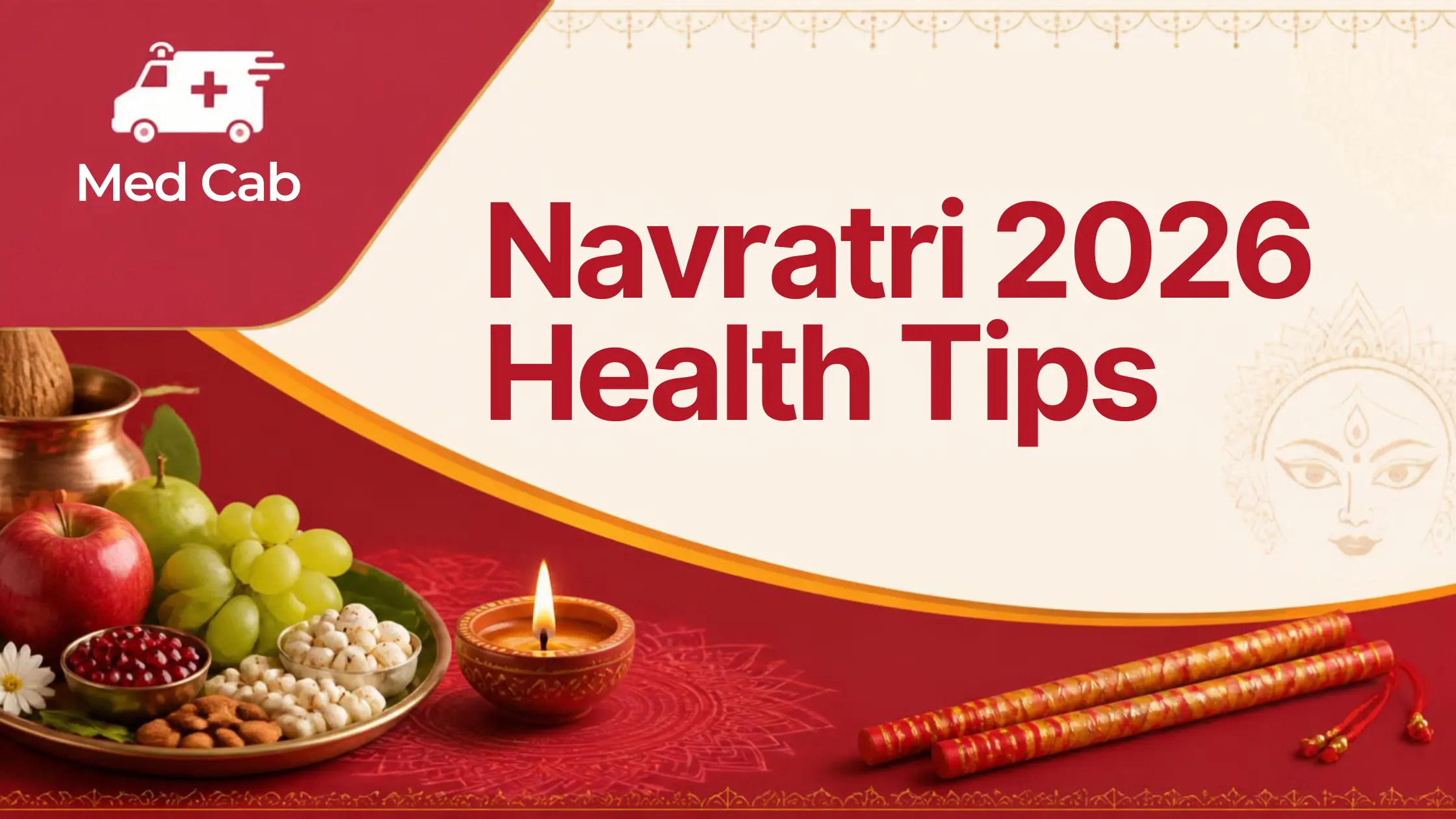
Fresh fruits can provide natural carbohydrates and fiber. Curd and milk can be useful sources of protein and other nutrients. Nuts and seeds can provide healthy fats, while suitable vegetables can add variety to your meals.
Sabudana and potatoes are popular fasting foods, but they are mainly carbohydrate-rich. Combining them with foods such as curd or nuts, where permitted, can make a meal more satisfying.
Don't Forget to Drink Enough Water
It is easy to focus so much on food restrictions that you forget about hydration. Drinking enough water during permitted hours can help you feel fresh and reduce the chances of dehydration-related headaches or tiredness.
Depending on your fasting practices, coconut water, lemon water, or milk may also be suitable. Try not to rely heavily on packaged juices, soft drinks, or excessive tea and coffee.
Good hydration becomes particularly important if you are travelling, spending time outdoors, or attending long puja and religious events.
Be Careful With Fried Vrat Foods
Just because a food is allowed during fasting doesn't mean it should be eaten in unlimited quantities. Fried potatoes, puris, pakoras, chips, and sweets can be tempting, especially when you're hungry.
However, eating too much fried food may leave you feeling heavy, bloated, or uncomfortable. Homemade preparations with less oil can be a better choice for regular meals.
When following Navratri fasting rules, focus not only on what foods are permitted but also on how your body responds to them. Religious practices can vary between families, so follow your own traditions while keeping moderation in mind.
Give Your Body Enough Rest
Navratri often means a packed schedule. Between work, household responsibilities, puja, temple visits, and family gatherings, your routine can become tiring.
If you are fasting, make sure you are getting enough sleep. You may also want to reduce intense workouts if you notice that your energy levels are lower than usual. Light walking or gentle stretching can be more comfortable for some people during this time.
Remember, taking a little rest does not mean you are doing less. It simply gives your body time to recover.
Who Should Be More Careful While Fasting?
Not everyone should make major changes to their regular diet without professional advice. People with diabetes, kidney problems, blood-pressure issues, or other ongoing health conditions may have specific nutritional or medication requirements.
Pregnant women, children, older adults, and people taking regular medicines should also speak with a healthcare professional before starting a strict fast.
Pay attention to symptoms such as severe weakness, fainting, persistent dizziness, confusion, repeated vomiting, breathing difficulty, or chest discomfort. These symptoms should not be ignored or automatically attributed to fasting.
Celebrate Navratri With Maa Durga and a Healthy Routine
Navratri is about faith, positivity, and devotion to Maa Durga. Looking after your health can be a part of that celebration too. Eating mindfully, staying hydrated, and getting enough rest can help you participate in prayers and festivities without feeling completely drained.
As you worship Maa Durga, try to maintain a routine that supports both your spiritual practices and your physical well-being. You don't need a complicated diet—simple, balanced choices can go a long way.
MedCab: Healthcare Support When You Need It
During the festive season, having access to reliable healthcare support can provide peace of mind for you and your family. MedCab offers healthcare and emergency support services, including ambulance services, home healthcare, pathology, video consultation, and medical equipment rental.
If you or a family member needs healthcare or emergency assistance during Navratri, contact MedCab at 1800-890-8208.
May Maa Durga bless you and your loved ones with good health, strength, and happiness. Have a safe, healthy, and blessed Navratri.