1. Why is home nursing becoming the first choice for families?
Healthcare has changed a lot in the last ten years. In the past, people had to be in the hospital for even simple check-ups. Now, because of better medical tools, skilled doctors and nurses, and carefully thought-out plans, people can get care at the level of a hospital, but in their own homes. A big reason families choose to have care at home is how it makes people feel. Patients generally get better quicker when they are in a place they know well. Being with loved ones reduces worry and strengthens the mind. And for older people, home care avoids the confusion and anxiety that hospital stays often cause. It’s also more affordable. Hospital stays for a long time can be very costly. With home care, families pay only for the help they need—that could be daily visits, twelve hours of support, or around-the-clock care. The fact that it’s tailored to the individual makes a real difference, too. In a hospital, one nurse is responsible for many patients. At home, the carer focuses on just one person, meaning they can observe them more closely and react more quickly to any changes in their health.
2. Which Services Are Included in Home Nursing Care?
Home nursing services provide a wide range of medical and non-medical support based on the patient's needs. These services are intended to provide safety, hygiene, and comfort at home.
Medical Services
Injection administration
IV Fluid Management
Catheter Care
Wound dressing and post-operative care
Blood pressure and sugar monitoring
Tracheostomy Care
Non-Medical Support
Assistance with bathing and grooming.
Help with mobility and walking.
Medication Reminders
Meal Assistance
Emotional companionship
Professional caregivers work under a doctor's supervision and conform to defined health plans. In many circumstances, a registered nurse oversees the entire treatment procedure.
Families that formerly relied on traditional nursing homes now prefer at-home services because they give similar professional care while allowing patients to remain with loved ones.
3. Benefits of Choosing Professional Home Nursing Services
Using properly trained carers, not just anyone, keeps the patient safe and ensures their health is monitored correctly. Let’s look at the main benefits:
- Health is monitored specifically for each person.
Experienced nurses make care plans that are suited to the person’s medical problems and how well they are expected to recover.
- Recovery is quicker.
Research shows people get better faster at home because they're more comfortable emotionally, and there’s less risk of catching something from the hospital.
- You are less likely to get an infection.
Hospitals have lots of different infections going around.
- A home is a safer and more controlled environment.
Family can be involved in helping someone recover.
- They get regular updates and can talk to the nurse directly about how things are going.
The care can be for a short amount of time or a long period. Plans can be organized for after having a baby, monitoring older people, or managing a long-term illness.
In cities like Lucknow, structured nursing care is becoming very popular because families want both skill and kindness.
4. Who Needs Home Nursing Services?
Home healthcare is good for people of all ages and with many different health issues.
- Older people often need help with getting around, their medication, and regular health checks.
- Home caregivers offer them dignity, comfort, and safety.
- Those who have had operations like knee replacements, heart surgery, or abdominal surgery require their wounds to be looked after and their medicines supervised.
- People with illnesses that continue for a long time—like diabetes, stroke, cancer, or breathing problems—need to be monitored and helped with their treatments.
- New mothers can get help from nurses to get breastfeeding going, check the baby’s health, and recover.
During important times, home nursing gives comfort, manages pain and emotional support, and is helpful at the end of life.
In Lucknow, many families now use patient care services to manage their health issues properly without needing to go to the hospital so often.
5. The role of technology in modern home healthcare.
Modern home nursing isn't only about someone coming to the house.
Technology is a major part of making sure the care is good and that things are open and honest.
Things like blood pressure, oxygen levels, pulse, and sugar levels are monitored as they happen with these devices.
The information can be sent to the doctor straight away.
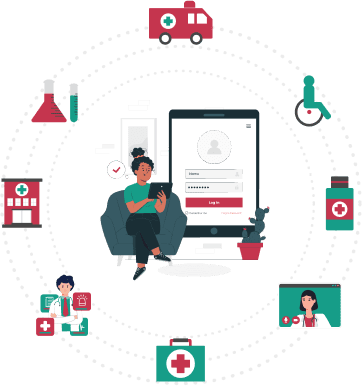
Patients can have a consultation with a doctor online, and the nurse can help them during the video call.
This saves a lot of time and effort.
Digital records keep track of the patient’s medical history, when to take their medication, and any changes to treatment.
Emergency alarm systems mean older people can call for help immediately if they fall or are in a lot of pain.
6. How to Select the Right Home Nursing Provider?
Technology means help is available faster, information is more accurate, and doctors, nurses, and family can work together better.
First, finding a service you can trust is the most important thing. Here are some key things to think about:
Make sure the carers have the right qualifications. Are they trained and have a certificate? Find out about their experience and whether their background has been checked.
Understand what the service includes. Does the company provide medical care, non-medical support, or both?
Ask about who is in charge. A good company will have a supervisor or registered nurse to make sure the care is of a good standard.
Is help available in an emergency?
Choose companies that can quickly provide a replacement or emergency help.
Costs should be clear.
Avoid any hidden costs.
Ask for a full list of the services and how much they cost.
Reviews and what people say about them. Look at online reviews and feedback from previous customers to see if they are trustworthy.
When families search for good services on the internet, they usually compare different companies based on how long they've been around, how safe they are, and how quickly they respond.
That's why you should choose us for the best nursing care at home in Lucknow.
7. Cost structure and affordability.
How much home nursing costs depends on the level of care needed, and basic help is cheaper than having an intensive care unit-style setup at home. Several things influence the price, including how long you need someone for (by the hour, for twelve hours, or around the clock), how complicated the medical issues are, what equipment is necessary, and where in the city you are.
8. Safety, hygiene, and quality standards.
Good professional home healthcare companies are very careful about being clean. This means carefully washing hands, using gloves and masks, cleaning all the equipment, safely getting rid of medical rubbish, and checking the backgrounds of staff to ensure they are safe. For safety, good companies do police checks and training before sending employees to your home. They also have ways of checking quality and getting your opinions, so they can be sure to keep up a high standard.
9. The Emotional Impact of Home-based Care
However, getting better medically is strongly connected to how someone is doing in their mind. Being at home helps with being alone and being scared. Older mothers and fathers are made to feel valued and treated with respect. Children will get better at home with the love of their family around them. In fact, carers often become people you truly trust and who give both physical help and emotional support.
10. The Future of Home Nursing in India.
In India, healthcare is changing quickly to offer more options at home. People in towns and cities are looking for solutions where they are most comfortable. As more people understand the benefits, as technology gets better, and as care is more planned, you can expect to see home nursing used much more. Lucknow, which is growing quickly, is experiencing a large growth in professional care, and families are finding that having care at home isn't just easier; it's a sensible way to plan for healthcare.
Conclusion
If you’re looking for a home nursing service in your area, that’s the first step to getting your family member safe, skilled and kind treatment. Home nursing can give hospital-quality care at home for elderly care, checking after an operation, managing long-term illnesses, or for maternity needs.