Why is Home Care Important for Bedridden Patients?
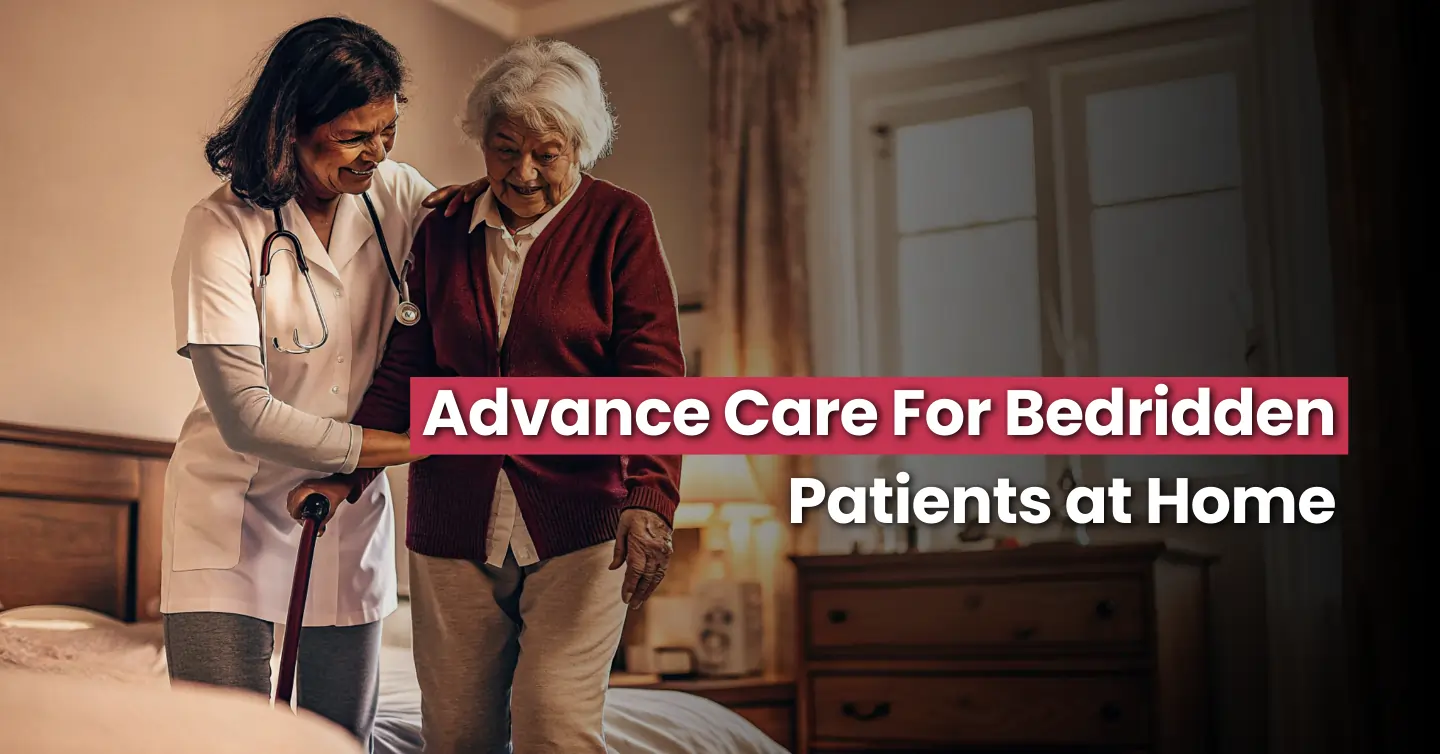
Home-based recovery strategies are gradually replacing hospital-centered treatment in modern healthcare. Acute care must be provided in hospitals, but long-term bedridden care is frequently better handled at home. Home care offers family members peace of mind, enables individualized attention, and lowers the risk of hospital-acquired diseases.
According to recent medical research, people who feel emotionally secure heal more quickly. For those who are bedridden, being at home offers a sense of control, dignity, and emotional stability. Today's home care is professional, scheduled, and outcome-focused; it is no longer unstructured thanks to qualified caregivers and medical supervision.
Recognizing a Bedridden Patient's Daily Needs
Nearly all daily activities for a bedridden care service patient are dependent on caregivers. These needs require appropriate training and consistency and go well beyond simple assistance.
Assistance with feeding, moving, washing, using the restroom, and mobility exercises are examples of physical needs. To avoid loneliness and despair, mental and emotional needs include social engagement, certainty, and dialogue. Heart sign monitoring, medicine administration, wound care, and doctor coordination are examples of medical needs.
Serious consequences like bedsores, infections, tight muscles, or emotional disengagement can result from ignoring even one factor. For this reason, a well-organized daily care routine is crucial.
Crucial Elements of Expert Bedridden Care
Assistance with Personal Hygiene
Infections and discomfort can be avoided with regular cleaning, dental care, and skin hygiene.
Assistance with Mobility and Position Change
Rotating the patient every two to three hours enhances blood circulation and helps avoid pressure ulcers.
Medication and Health Monitoring
Early detection of problems is aided by timely medication and symptom surveillance.
When these fundamental components are managed by qualified caregivers, they guarantee safe, reliable care free from medical error.
Using Modern Medical Practices to Prevent Bedsores
One of the greatest concerns for bedridden people is pressure ulcers, also referred to as bedsores. Prevention is prioritized over treatment in modern healthcare.
These days, caregivers employ air beds, moisture-control methods, pressure-relieving mattresses, and planned repositioning schedules.
Nutritional Planning for Patients Who Are Bedridden
Although it is frequently ignored, nutrition is crucial to healing. Bedridden patients require well-balanced diets that are high in fiber, protein, vitamins, and minerals. Food that is soft and easy to digest is ideal, especially for those who have trouble swallowing.
Personalized nutrition depending on a patient's condition, such as diabetes, kidney disease, or heart difficulties, is now a part of modern diet planning. Small, frequent meals; high-protein beverages; and liquid supplements all assist in sustaining energy levels and avoiding weakness.
Additionally, healthy eating promotes muscle strength, wound healing, and immunity.
Mental and Emotional Support: A Quiet but Influential Aspect
Anxiety, frustration, and sadness can result from being bedridden. Just as vital as physical assistance is emotional support. Mental health is improved by small actions, including talking, listening, including patients in decision-making, and sticking to a regular schedule.
Through light activities, music therapy, and memory exercises, new healthcare approaches prioritize emotional bonding and cognitive engagement. These techniques help patients feel important and connected while reducing stress.
Trained Caregivers' Functions in Home-Care Services
Professional caregivers are prepared to manage personal care, emotional support, and medical emergencies. They have knowledge of emergency response, hygienic standards, and patient safety, unlike untrained assistants.
Home healthcare and technology in 2026
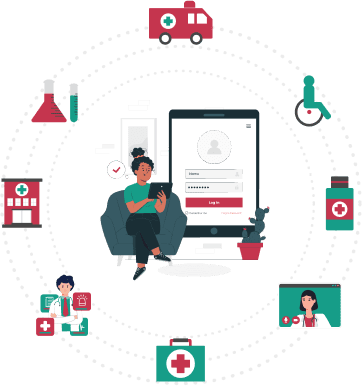
In 2026, home healthcare will be more sophisticated than before. Vitals, including blood pressure, glucose, and oxygen levels, can be tracked at home with the use of mobile health apps, digital health monitoring equipment, and online doctor consultations.
These techniques lower the number of emergency hospital visits and enable early detection of issues. Doctors may remotely modify treatment plans and keep families updated, which makes home care for elderly patients more dependable and intelligent.
When to Select Expert Home Care Assistance
When the patient needs ongoing support
When relatives are unable to handle medical duties
When rehabilitation is complicated or prolonged
Professional assistance in these situations guarantees that family members receive constant care without experiencing exhaustion.
Local Accessibility and Home Care Services
Selecting a trustworthy service provider is essential. Quick response, frequent visits, and enhanced communication with neighboring hospitals are all ensured by local availability. Because of the knowledgeable staff members, open procedures, and emergency assistance, many families now favor organized patient care services in Lucknow.
Additionally, local services have a greater understanding of patient needs and localized healthcare concerns.
Care Coordination and Family Involvement
Even when medical professionals are present, family members continue to play an important role. A balanced care environment is facilitated by emotional presence, consistent communication, and working together with healthcare providers.
Care is most effective when families and professionals work together as a team.
Conclusion
The goal of bedridden patient care at home is to restore dignity, comfort, and mental strength in addition to providing medical support. Home can become the ideal setting for healing with the correct information, competent caretakers, modern medical procedures, and family engagement.