Understanding the Role of a Post-Surgical Nurse
A trained post-surgery nurse at home provides much more than basic care. Their function is clinical, structured, and patient-centered. They routinely check blood pressure, heart rate, oxygen levels, temperature, and the healing of the surgery site. They use sterile practices for managing IV lines, catheters, injections, and wound dressings.
They also monitor prescription schedules to ensure that antibiotics, painkillers, and vitamins are administered exactly as recommended. This lowers the danger of infection and speeds up the recovery process.
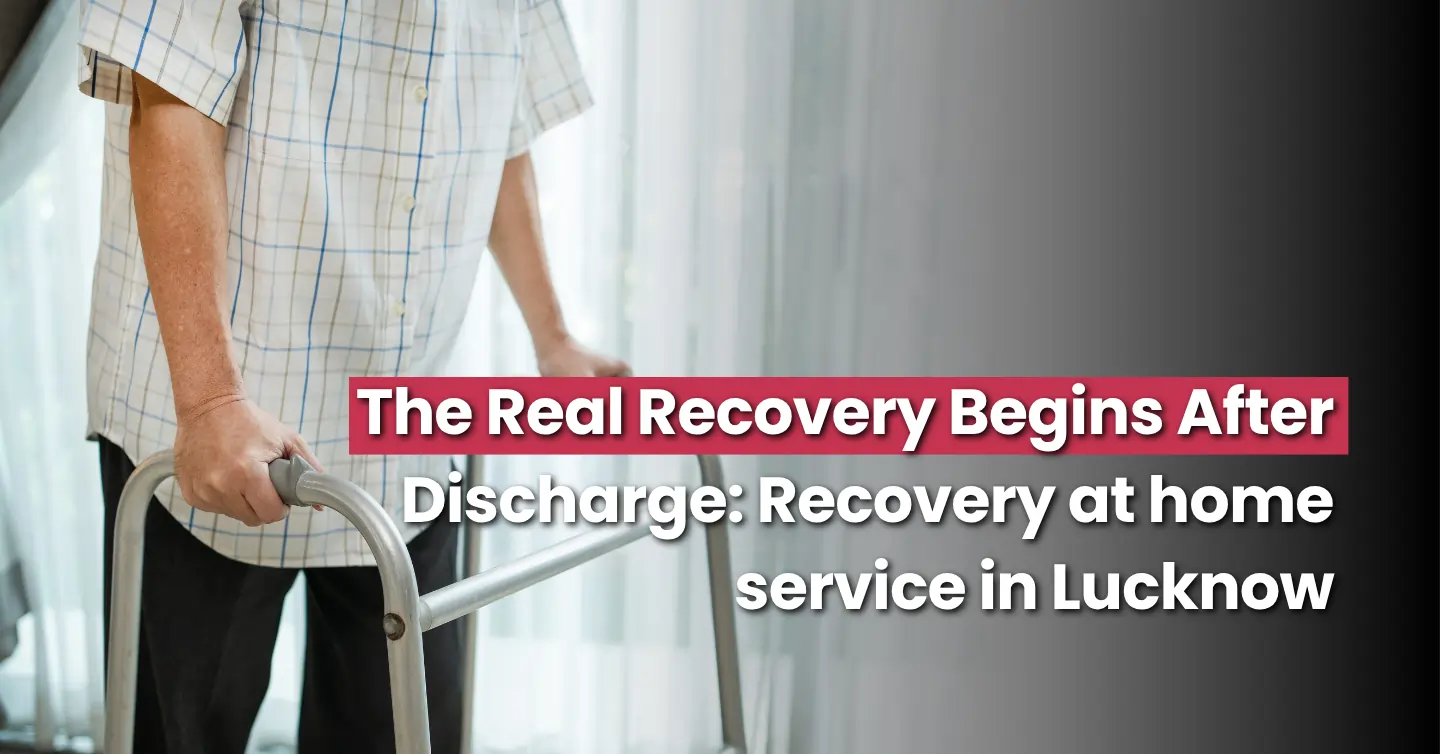
Another significant obligation is mobility assistance. After orthopedic or abdominal surgery, even simple activities like sitting or walking might be uncomfortable. Nurses provide safe assistance, reducing the risk of falls and strain. In essence, they serve as a link between hospital-level treatment and pleasant home recuperation.
If you are looking for a post-recovery nurse in Lucknow.
Call Now - 07311169992
Who Should Consider Professional Nursing Support?
Not all surgeries necessitate full-time help, but many do. Structured monitoring is especially beneficial to patients who have had major operations such as knee replacement, spinal surgery, heart procedures, or abdominal surgeries.
Patients who are elderly, have diabetes or hypertension, or have minimal family support are more likely to experience problems. In such instances, selecting after-surgery home nursing care is not a luxury; it is a wise healthcare option.
Even cosmetic surgery patients regularly hire nurses to relieve tension and guarantee correct scar maintenance. Patients with restricted movement or significant pain require assistance with bathing, clothing, and personal hygiene. When recuperation becomes physically difficult or medically complex, skilled assistance supports safe healing.
Medical Safety: Preventing Complications before They Start
Complication prevention is one of the most important reasons why families choose expert nurses. Infections, blood clots, delayed wound healing, respiratory problems, and medication responses are all possible complications following surgery.
A qualified nurse can identify early symptoms such as unusual swelling, redness, fever, respiratory trouble, or abnormal discharge. Immediate action prevents a return to the hospital.
Structured home recovery helps provide patients with regular monitoring, which decreases worry for both the patient and family members.
Nurses also encourage modest physiotherapy motions when indicated, which reduce stiffness and increase circulation. Proper bed placement lowers the risk of pressure sores. Prevention is always preferable to emergency treatment—and excellent nursing makes it acceptable.
Emotional Support and Mental Wellness While Healing
Surgery can have an impact on one's emotional well-being. Anxiety and mood swings can be caused by the fear of problems, pain, or temporary reliance.
A nurse provides not just physical care but also emotional support. Calm communication, encouraging interactions, and patient motivation boost confidence. Professional caregivers assist patients in maintaining a happy attitude, following healthy habits, and attending to medication and exercise schedules. Physical healing is intrinsically connected to emotional stability. When patients feel safe and supported, their recovery rate improves considerably.
Flexible care options include part-time, full-time, and 24/7 support.
One of the primary benefits of professional nursing services is flexibility. Families can pick hourly, daytime, nighttime, or full-time care based on their medical needs.
Some patients require 24-hour monitoring in the first few days after discharge. Others may just need assistance with wound dressing and medication supervision. Choosing the appropriate degree of private nursing for post-operative care guarantees cost-effective and personalized treatment. It enables families to efficiently balance their financial and safety needs. Flexibility guarantees that you only pay for the care you require while preserving medical coverage.
Infection Prevention and Hygiene at Home
Maintaining hospital-grade hygiene at home is difficult without expert training. Surgical wounds are extremely susceptible to infection during the initial healing phase. A qualified nurse uses sterile techniques to change bandages and clean wounds. They employ gloves, disinfectants, and proper medical waste disposal practices.
Bacterial exposure can be reduced by using clean bed sheets, sterilized equipment, and disposing of used medical materials properly.
Proper hygiene control is one of the most important reasons families look for competent nursing services after surgery online. Experts handle home safety, making it more trustworthy.
Supporting faster rehabilitation and mobility.
Recovery is more than just rest; it also involves gradual movement. Prolonged bed rest can cause stiffness, muscle weakness, and decreased circulation.
Nurses assist with regulated exercises prescribed by physicians or physiotherapists in Lucknow. They assist patients in sitting appropriately, standing safely, and walking with support as needed.
This step-by-step rehabilitation program lowers the risk of blood clots and strengthens muscles. It also increases confidence as patients progressively regain independence. Mobility direction ensures that recovery is active and progressive, rather than slow and stagnant.
Choosing the Right Nurse: Tips for Safe Hiring
When hiring a nurse, always check their qualifications and experience. Examine certificates, references, and background information.
Discuss your medical history clearly, and learn about the nurse's previous experience with similar surgery. Inquire about emergency processes and communication strategies.
Clear communication among the nurse, patient, and family encourages trust. Ensure that the care plan is consistent with the doctor's discharge summary. The appropriate professional makes recovery easier, safer, and more emotionally stable.