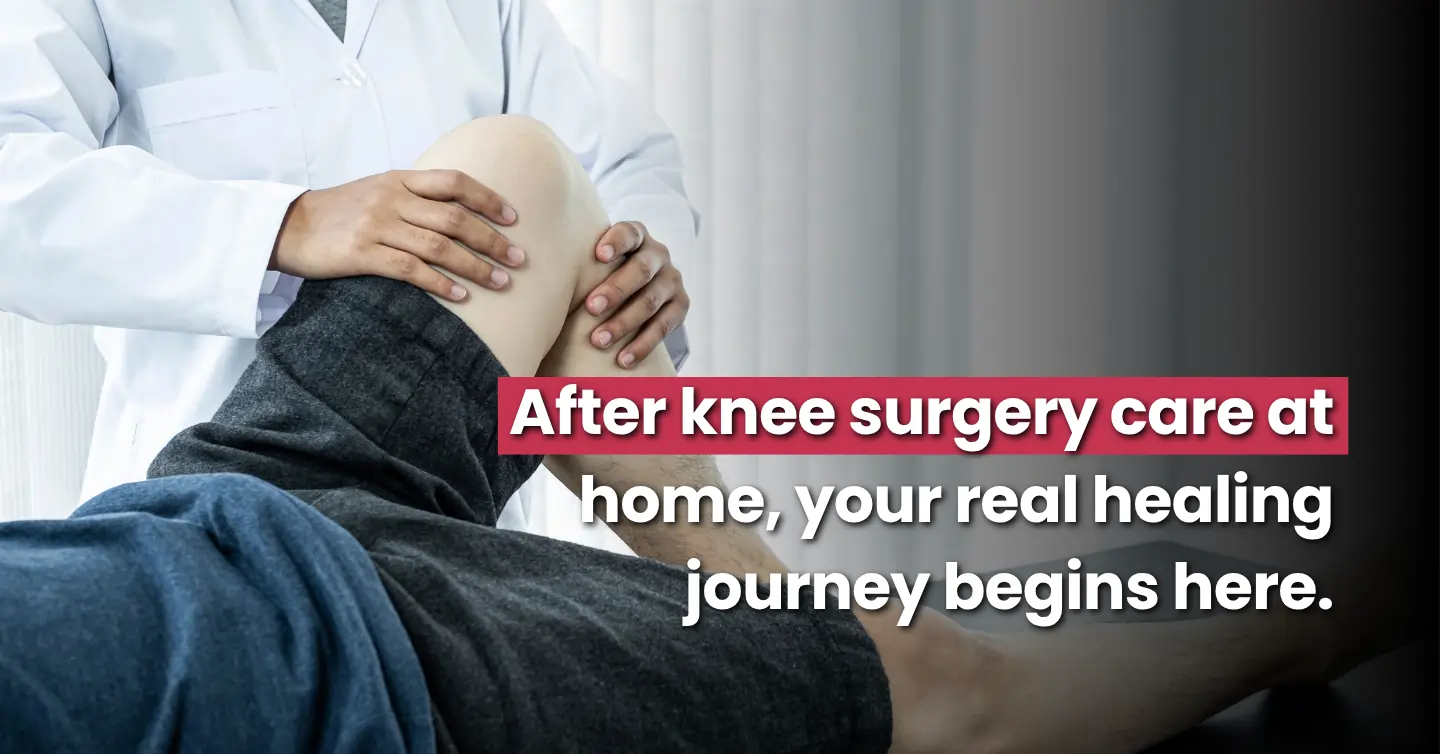
The First Few Days: When Relief and Reality Meet.
The first few days following knee surgery are a combination of relief and suffering. Relief that the surgery is over. Pain, stiffness, and a condition are genuine. This step is essential. Rest is crucial, as is controlled movement. Doctors frequently recommend modest ankle pumps or tiny leg movements to keep blood flowing. Ice packs can relieve swelling. Elevation helps to decrease inflammation.
Emotionally, this is the time when patience becomes your greatest asset.
Pain is temporary; healing is powerful.
Pain following knee surgery is to be expected. It does not indicate that something is wrong. It indicates that your body is healing tissues, nerves, and muscles.
Pain treatment involves striking a balance. Medication can assist, but leaning too heavily on it is not optimal. Cold therapy, correct placement, and relaxation breathing methods all contribute to natural healing. You may notice that the discomfort is greater at night. That is common. At night, distractions disappear, and the body becomes more alert.
Swelling and stiffness: The Silent Challenges.
Swelling can continue for several weeks. Some people become alarmed when they notice irritation around the knee. However, moderate edema is to be expected during the recuperation period.
The key is controlled movement and consistent physiotherapy at home. Completely avoiding movement causes stiffness. On the other hand, excessive exertion causes edema.
Your knee needs balance, not extremes. Hydration, a healthy diet, and enough protein intake all aid in tissue healing.
Post-surgical emotions are real. You can be frustrated because you can't move freely. You may feel reliant on others for fundamental activities. You may even question your decision to get surgery.
These feelings are valid.
Recovery is more than just physical. It is an emotional adaptation. Your independence will return. But it takes time.
Physiotherapy: Your Best Friend in Recovery
Physiotherapy is not optional. It is the backbone of knee recovery.
In the beginning, exercises may feel uncomfortable. But each session improves flexibility, muscle strength, and joint stability.
Your therapist will guide you step by step:
- Straight leg raises
- Heel slides
- Controlled bending
- Gradual weight bearing
Skipping therapy delays progress. Consistency builds confidence.
Physiotherapy: The Best Friend in Recovery
Physiotherapy is not optional. It's the foundation of knee recovery.
Exercises can be painful at first. However, each session increases flexibility, muscular strength, and joint stability.
Your therapist will guide you step-by-step.
Straight leg lifts.
Heel slides.
Controlled bending.
Gradual Weight Bearing
Skipping therapy slows progress. Consistency boosts confidence.
Mobility Milestones: From Walker to Confidence.
The first moment you stand up after surgery is an emotional experience. You may initially use a walker or crutches. That is very typical.
As muscles strengthen, support decreases. First, a walker. Then a stick. Then take separate phases. Do not rush through this period. Rushing raises the danger of a fall. Your body is relearning movement. Be kind to it.
Comparing Recovery: Why Knee Surgery is Different.
Each surgery recovery is unique. For example, post-appendectomy recovery often consists of abdominal healing with limited mobility for a short period of time. Knee surgery, on the other hand, necessitates weeks or months of active recovery and muscle building.
Even after an appendectomy, people are generally able to walk easily within a few days. Structured exercises and guided walking are required for knee surgery rehabilitation to ensure appropriate joint alignment.
This distinction highlights why patience and treatment are especially important for knee surgeries at home.
Daily Activities: Small Tasks and Big Victories
Use support rails when bathing, ascending stairs, or sitting in the automobile. Sit slowly. When you're resting, keep your knee straight. Avoid twisting motions. Every modest achievement builds morale. The first time you climb stairs again, it feels like
Nutrition: Fueling the Healing Process.
Your body requires protein, vitamins, and minerals to restore tissues.
Include:
Protein-rich foods.
Vitamin C promotes healing
Calcium and Vitamin D promote bone strength.
Plenty of water.
Avoid high-sugar and processed foods.
Good nutrition helps to minimize inflammation and speed up recovery.
The Long-Term Vision: Regaining Your Active Lifestyle
The purpose of knee surgery is more than just pain treatment. It's recovering mobility and quality of life.
Imagine walking comfortably, climbing stairs without anxiety, traveling again, or getting back into light exercise. Recovery time might range from 3 to 6 months, depending on the surgery. However, improvement is gradual.
Maintain focus on the big picture.