The first 72 hours are when the healing process officially begins.
The first three days following knee surgery are essential. This is when your body enters repair mode. Swelling, minor pain, stiffness, and limited movement are all normal. Your body has just undergone a controlled trauma, and it is now responding with inflammation, which is a normal part of the healing process. During this stage, clinicians concentrate on pain management, infection prevention, and mobility support. Ice packs, compression, elevation, and prescribed medications all play important roles. Movement may be frightening, but early directed movement avoids stiffness and blood clots.
This is also when emotional healing begins. Many patients experience anxiety, overwhelm, and even apathy. That is normal.
Pain is temporary; progress is permanent.
Pain following knee surgery can be severe, especially in the first week. But remember, pain doesn't mean failure. It signifies that your body is adjusting.
Doctors typically recommend an organized pain treatment schedule that includes drugs, cold therapy, and moderate exercise. Strictly following this practice allows you to stay comfortable and heal more quickly. Avoid suddenly discontinuing medicine or taking pain relievers excessively without consulting a doctor.
As the swelling goes down, so does the pain. As movement increases, stiffness reduces. The trick is to strike a balance between pushing too hard and remaining passive. Smart recovery always outperforms quick recovery.
Physical Therapy: The Real Game-Changer
If surgery repairs the structure, physical therapy will rebuild the strength.
Physical rehabilitation following knee surgery is an absolute necessity. It increases flexibility, strengthens surrounding muscles, and helps you recover equilibrium. Many people underestimate this stage and end up with stiffness or limited movement. Initially, therapy may be uncomfortable. Simple actions such as bending the knee or raising the leg can appear difficult. But consistency brings wonders. Within weeks, you will notice smoother movement and less stiffness.
A licensed physiotherapist ensures that workouts are safe, progressive, and tailored. Skipping therapy might cause healing to take longer, so make a full commitment.
Swelling and stiffness are the most common recovery challenges.
Swelling is the body's natural response to surgery. However, it must be kept under control. Excessive swelling can restrict movement and hinder healing. Ice therapy three to four times per day, elevating the leg, and using compression wraps can all help reduce inflammation. Staying hydrated additionally encourages tissue repair.
Stiffness commonly occurs when the knee is not moved frequently. Gentle bending and straightening exercises can help prevent long-term mobility difficulties. Even little everyday gains add up to a significant impact over time. Remember that discomfort is just transient; lasting stiffness has been avoided.
The Role of Nutrition in Faster Healing
Food is medicine—especially after surgery.
Your body needs protein for tissue repair, calcium for bone strength, and vitamins for immune system function. Include eggs, legumes, almonds, green vegetables, fruits, and dairy products in your diet.
Hydration is equally crucial. Water helps to eliminate pollutants and maintain joint lubrication. Avoid junk food, sugary drinks, and smoking, as they all slow healing. A well-balanced diet boosts energy, decreases inflammation, and promotes muscle recovery. Recovery is more than simply exercise; it also includes what you consume regularly.
Safe movement at home: small steps, big impact.
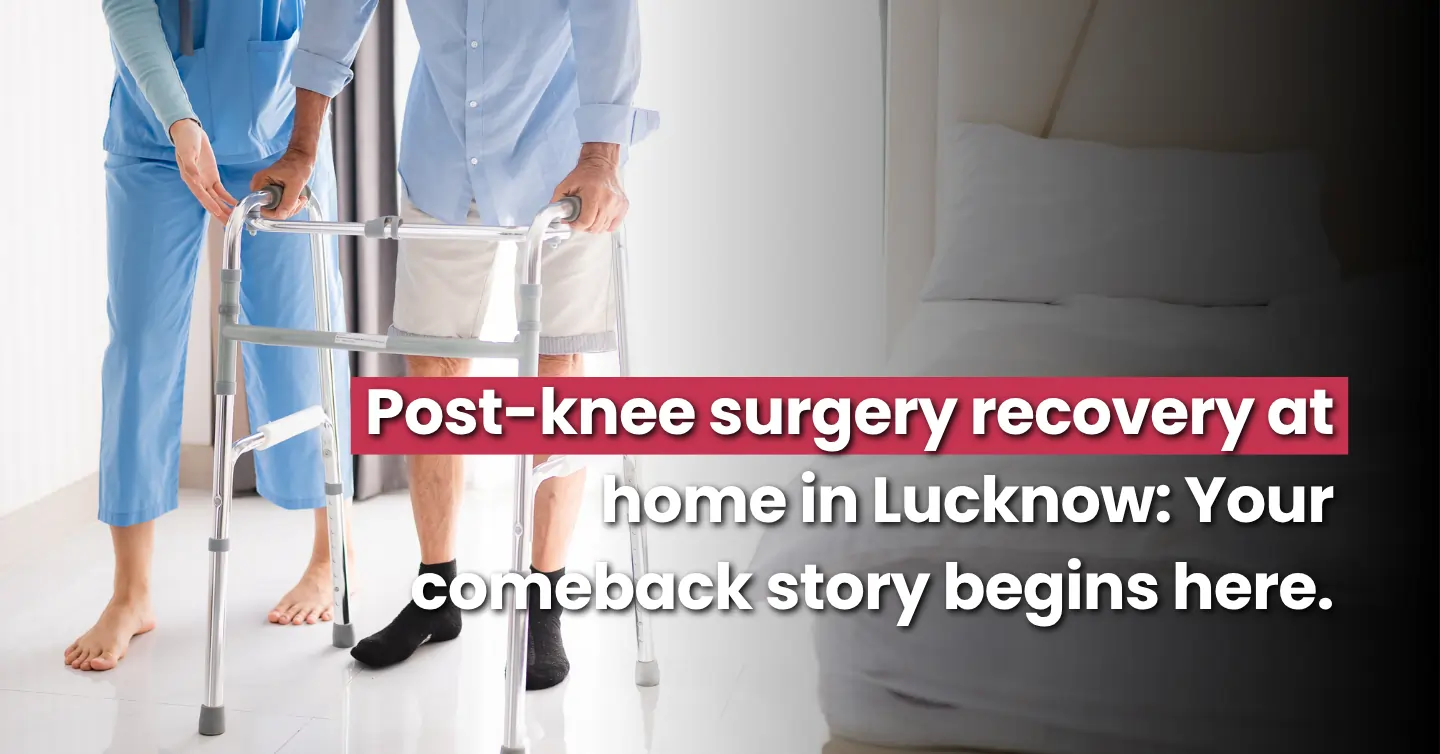
The first moment you stand following surgery is emotional. Weakness, fear of falling, and reluctance are all prevalent. That is why mobility aids such as walkers and crutches are initially used.
Make your home healing-friendly.
Remove the loose rugs.
Keep frequently used objects within reach.
Install bathroom support bars, if possible.
Gradually increase your walking distance as directed. Controlled walking promotes circulation and accelerates healing. Avoid sitting in the same position for too long. Gentle exercise every hour reduces stiffness and increases joint flexibility.
Warning Signs You Should Not Ignore
While most recoveries are uneventful, it is critical to watch for problems.
If you encounter these symptoms, contact your doctor right away.
High fever.
Excessive redness near stitches
Severe swelling.
Pus or odd discharge.
Sudden calf pain or dyspnea.
These could indicate an infection or blood clots. Early medical intervention prevents serious problems.
Mental health matters more than you think.
Recovery can be isolating. Limited movement may result in irritation or mood changes. Many patients experience transitory melancholy because they are unable to complete everyday duties autonomously.
Talk to your family members. Maintain contact with pals. View uplifting content. Perform deep breathing exercises. Small victories, such as bending your knee slightly more than yesterday, are worth celebrating. Physical healing relies heavily on emotional adaptability.
How Long Does a Full Recovery Take?
Every healing timeline differs. Some patients can resume light activity in 4-6 weeks. Depending on the type of operation, recuperation time can range from three to six months. A total knee replacement may necessitate a longer recuperation period than simple arthroscopic surgeries.
What is the most crucial factor? Consistency. Follow medical advice, attend treatment sessions, and have a good habit.
Returning to Daily Activities With Confidence
Driving, climbing stairs, returning to work, or exercising—such achievements are empowering. Always see your surgeon before starting strenuous activity. High-impact sports may necessitate longer waiting times.
Start slowly. Develop endurance gradually. Listen to your body.
Building a Stronger Future: Life After Knee Surgery
Knee surgery is not the conclusion of your active life; it is frequently the start of a pain-free chapter. Following recuperation, many patients report greater mobility, better sleep, and a reduction in chronic pain. Maintaining a healthy weight helps to reduce joint pressure. Continue strengthening activities even after formal therapy has ended. Select supportive footwear. Regular follow-up checkups verify that everything is healing properly. Your knee is stronger now, but your behaviors must support it in the long run.