Knowing Patient Care Services in the Current Healthcare Environment
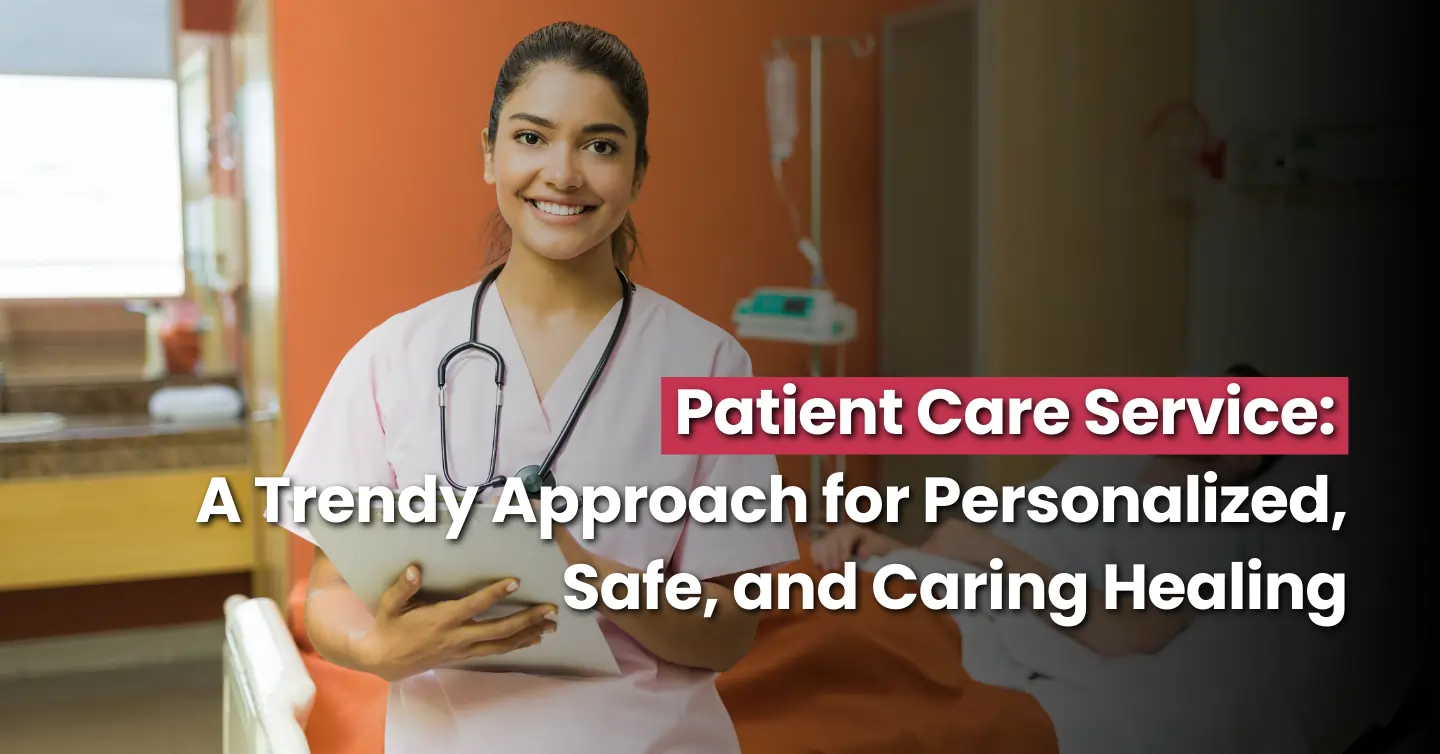
The term "patient care service" describes organized support given to people who require help with everyday living or medical or physical tasks because of age, illness, accident, or recovery requirements. Clinical care, regular monitoring, mobility help, hygiene help, prescription administration, and emotional support are all included.
Modern patient care services prioritize holistic treatment, in contrast to traditional hospital care. Enhancing quality of life is just as important as curing the illness. This method acknowledges that when patients feel protected, listened to, and at ease, healing occurs more quickly and effectively.
Care models today prioritize integrated services between physicians, caregivers, and families; ongoing assessment; and customized plans as a result of healthcare systems becoming more patient-centric. Additionally, patient care services have a major impact on mental and emotional well-being. Stress, anxiety, and a sense of reliance are frequently brought on by illness. Patients feel safer and valued when they have trained caregivers who offer both emotional support and physical assistance. For patients in need of long-term care and the elderly, this emotional support is especially important. Patient care services assist in resource optimization from the point of view of the healthcare system. While patients receive safe, efficient treatment in comfortable surroundings, hospitals can concentrate on critical cases by moving appropriate care to homes or community settings. This concept improves sustainability and increases a larger population's access to healthcare services.
Book Patient Care Now- 07311169992
Important Points in Brief:
- Guarantees ongoing treatment following hospital discharge.
- Emphasizes holistic healing rather than merely medical care.
- Provides individualized care plans according to each person's needs.
- Promotes mental, emotional, and physical well-being
- Powers the cost of healthcare and hospital readmissions
- Facilitates healing in settings that are pleasant and familiar.
All things considered, patient care services in today's healthcare system are a patient-first strategy that combines medical knowledge with empathy, technology, and daily assistance to make healthcare more efficient, accessible, and compassionate.
The Value of Emotional Health and Patient Dignity
Looking after patients well is about far more than just their physical health. True healing needs respect, privacy and being emotionally aware of what they're going through. Patients are much more likely to go along with treatment and get better when they feel respected. When caregivers help with things like washing or dressing, they are shown to remember to maintain the patient’s sense of self, be gentle in how they speak to them, and be mindful of their culture. A little emotional support, especially for older people or those who can't move around, can lessen feelings of being alone, of being worried, and of being bothered. And family feels a lot calmer knowing their family member is being looked after by people who are good at their job and kind.
Important Things to Keep in Mind:
- Recovery and treatment response are improved by emotional support.
- Trust between patients and caregivers is increased when dignity is respected.
- Fear and confusion are decreased by clear communication.
- Self-respect is protected by privacy and individual preference.
- A healthy emotional state improves one's general quality of life.
- Compassionate, efficient, and genuinely patient-centered care is built on the foundation of emotional well-being and patient dignity.
Still unsure? Read our complete guide before booking- Patient Care Service in Lucknow
Risk management and patient safety
When people are treated as individuals, and not just as medical problems, and when their dignity is upheld, it makes a huge difference to their mental well-being and how they feel about themselves. This is particularly true for older patients or those needing long-term care. Emotion and dignity are very closely linked to how we think about healthcare now. If a patient feels emotionally secure, they will be more open about their pain, worries, and fears, leading to better medical outcomes. Healthcare professionals who are empathetic and communicate in a kind way create a setting where both the body and mind can get better.
Healthcare Human-First: The Transition to Compassion-Led Care in 2025
Safety is a critical part of caring for patients. Everything matters, from giving the correct medication to preventing falls. Caregivers are trained in spotting problems coming, in dealing with emergencies and following safety rules. They regularly assess the risks and change care plans to meet patients’ changing needs. By doing this, they aim to reduce the chance of things going wrong and avoid people needing to be back in the hospital. With the proper supervision and set ways of working, patient care services provide a secure place for healing and lasting health.
Important Points to Remember:
- Training in emotional intelligence for caregivers
- Improved models for patient-doctor communication
- Prioritize both physical and mental healing.
Redefining Patient Respect in 2026 with Dignity-Centered Care Models
By 2025-2026, healthcare is definitely moving towards putting people first, and moving away from relying on machines, piles of reports, and just handing out prescriptions. People receiving care now want not only medical treatment, but kindness, consideration, and emotional understanding. Hospitals, home care services, and health apps are all giving staff specific training to improve how they talk to people, to really listen, and to see each patient as an individual, not just a set of notes. Acknowledging emotional comfort can greatly improve a patient’s involvement in their care, how they generally feel, and how quickly they recover. Compassionate care isn't something healthcare should do anymore; it’s how they measure how good they are.
Looking at things from the patient's perspective is becoming a key standard in healthcare by 2026. This approach makes sure patients retain their privacy, their independence, and their sense of who they are, even when they are unwell or needing help. Dignity is becoming more and more a part of how care is given, from the way staff speak to people to getting their agreement before doing anything. This is especially important for older patients, those with long-term conditions, or those receiving care at home or for a long time. When a patient’s dignity is respected, they feel safer, more relaxed, and more confident during their care.
- Remember these important things: looking after privacy in treatment, letting patients be involved in decisions about their treatment, and being treated with dignity during personal care.
Services for Patient Care for Various Medical Needs
Patient care services are designed to help with many different health problems. After an operation, patients need us to check on how their wounds are healing and to help them move around. People with illnesses that don't go away need help with changing how they live and consistent, regular management of their condition.
For older people needing care, the most important things are company, good food, preventing falls, and helping them to be as active as possible. Helping with treatments in a structured way and having a set daily schedule are good for patients with problems with their brain and nervous system.
Because they can be adapted to the situation, patient care can be used for a quick recovery or long-term help.
Get Patient Care at Home Today- https://medcab.in/home-care
OR
Call Now- 07311169992
Participation of the Family and Open Communication
These days, patient care services really want families to be involved. They ask what the family thinks, tell them how the patient is doing often, and are open about the care plan. Being this open makes families trust the service and be sure the care is what they and the patient’s expectations are. Digital methods of communicating are now allowing families to be kept in the loop even if they don't live close by, making the care much quicker to respond to needs and more involving for everyone.
The Prospects for Patient Care Services
Looking forward, patient care will be defined by working together, new ideas, and tailoring things to the individual. Artificial intelligence, keeping a close eye on health to predict future problems, and ‘smart’ medical equipment will likely have a greater effect on spotting illness early and on preventative treatment. Also, the rules of healthcare are changing to support care in the community and in people’s own homes. The result of all this will be patient care services that are more consistent across the board, easier to get to, and at a price people can manage.