In the modern healthcare system, who is considered medical staff?
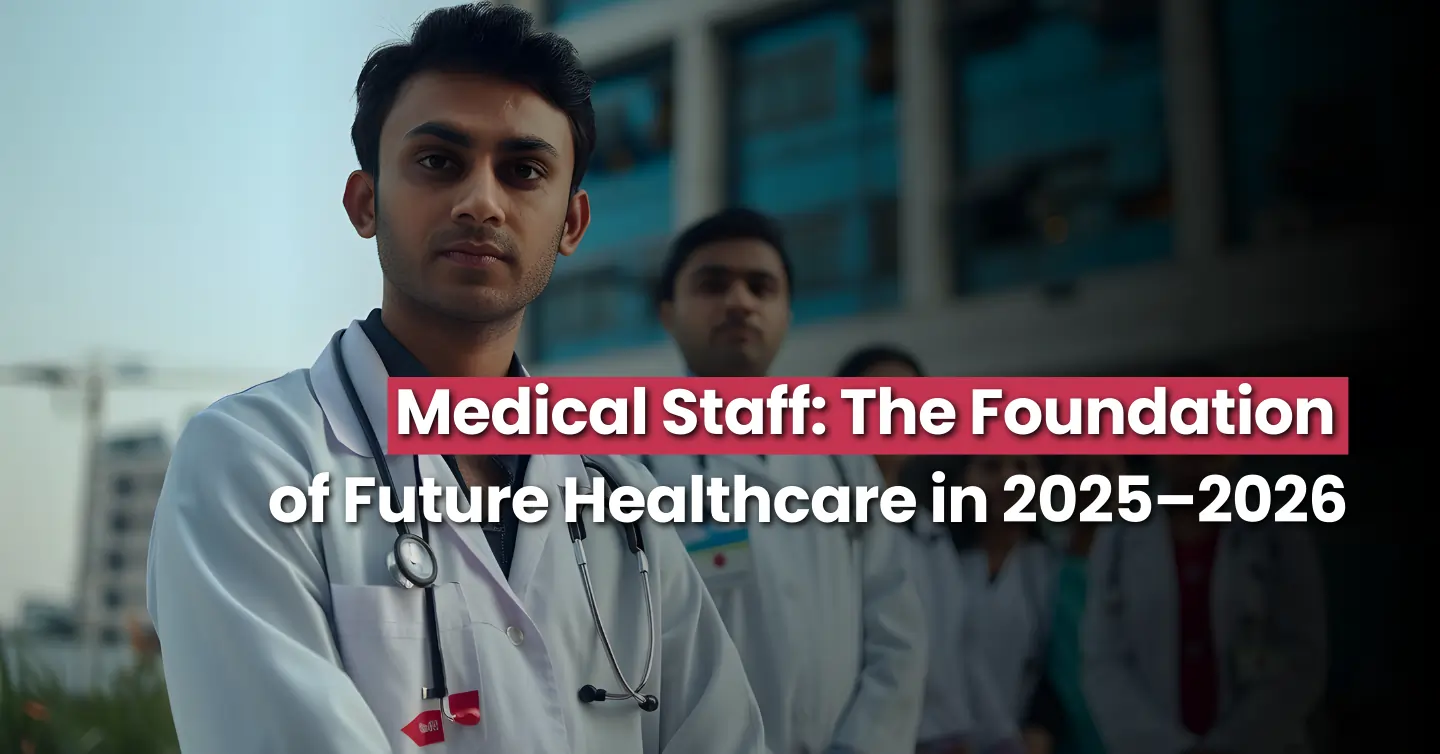
Medical staff are all the qualified people who help patients, either by treating them directly or by supporting that treatment. This generally includes doctors, nurses, paramedics, physiotherapists, laboratory technicians, pharmacists, caregivers, and other allied health specialists. Each of these roles has a particular job, but together they form a very organized system to make sure healthcare runs smoothly. And by 2026, who we think of as ‘medical staff’ has grown. Those working in care in the home, rehabilitation, telemedicine assistance, and remotely looking after patients are now seen as incredibly important. This shows how healthcare is changing to be more about the patient and less about always needing to go to the hospital.
The Changing Function of Medical Personnel in 2025–2026
These days, healthcare is about keeping people generally well, as much as about fixing illnesses. Medical people now require medical knowledge, yes, but also emotional understanding, good communication, and being able to adapt. Medical staff are now being taught to meet what patients want from their care: to have it all linked together, to be told things in a straightforward way, and to be treated with sympathy. Also, technology is becoming a normal part of medical work. Because of health trackers you wear, diagnoses with the help of artificial intelligence, and digital medical histories, medical professionals have to be good with technology. A lot of hospitals and medical companies are giving staff lots of digital training throughout 2026 so they can use the latest equipment without trouble.
Healthcare Professionals in Hospital-Based Treatment
However, hospitals are still where most complicated medical care happens, and medical staff are in charge of all the complex things that happen every day. Their ability to be quick, careful and effective can be a matter of life and death in A&E and intensive care.
From 2025 to 2026, hospitals are focusing more on teams working together. Doctors, nurses, and technicians are working much more closely with each other, rather than doing their own separate things. This leads to decisions being made faster, better conversations, and fewer mistakes. What's more, medical staff are now taking a more active role in educating patients, helping them to grasp their illness and the best way to deal with it.
Healthcare Professionals in Home-Based Settings
Recently, medical care in people’s homes has grown very quickly and is a major change in healthcare. Medical professionals now go to patients’ houses to give them the same good care, and do it in a way that’s comfortable and easy. Being at home while getting professional treatment helps people get better in a place they know. Plus, this also lowers the total cost of healthcare and eases the number of people in hospitals.
Often, a trained caregiver works with doctors and other medical experts to help with daily needs and to make sure care continues, and the patient feels emotionally supported.
Medical professionals who work from home help patients who need long-term care, are recovering from surgery, or are managing a chronic condition.
Medical Staff's Contribution to Patient Safety and High-Quality Care
These days, patient safety is hugely important in healthcare, and medical staff are vital to ensuring that. Everything matters, from following rules to stop infections to giving medicine properly. Hospitals and clinics are putting a lot of money into safety training in 2026. Medical personnel will be shown how to spot early danger signals, avoid errors in treatment, and deal with emergencies. It is becoming the norm to constantly learn, test skills, and do quality checks so that a high standard of care is maintained.
Compassion and Emotional Intelligence in Medical Practice
Just being good at the technical side of medicine isn't enough anymore. Successful medical professionals now also have emotional intelligence. People remember how they felt during treatment as much as they remember the medical outcome. Sympathetic medical professionals can get patients to be more involved in their treatment, build trust, and reduce their anxieties. This is especially important for serious illnesses, long-term care, and caring for older people. How people recover and how happy they are with their care are greatly improved by kind and thoughtful communication, as it makes patients feel as though they are important and are being heard.